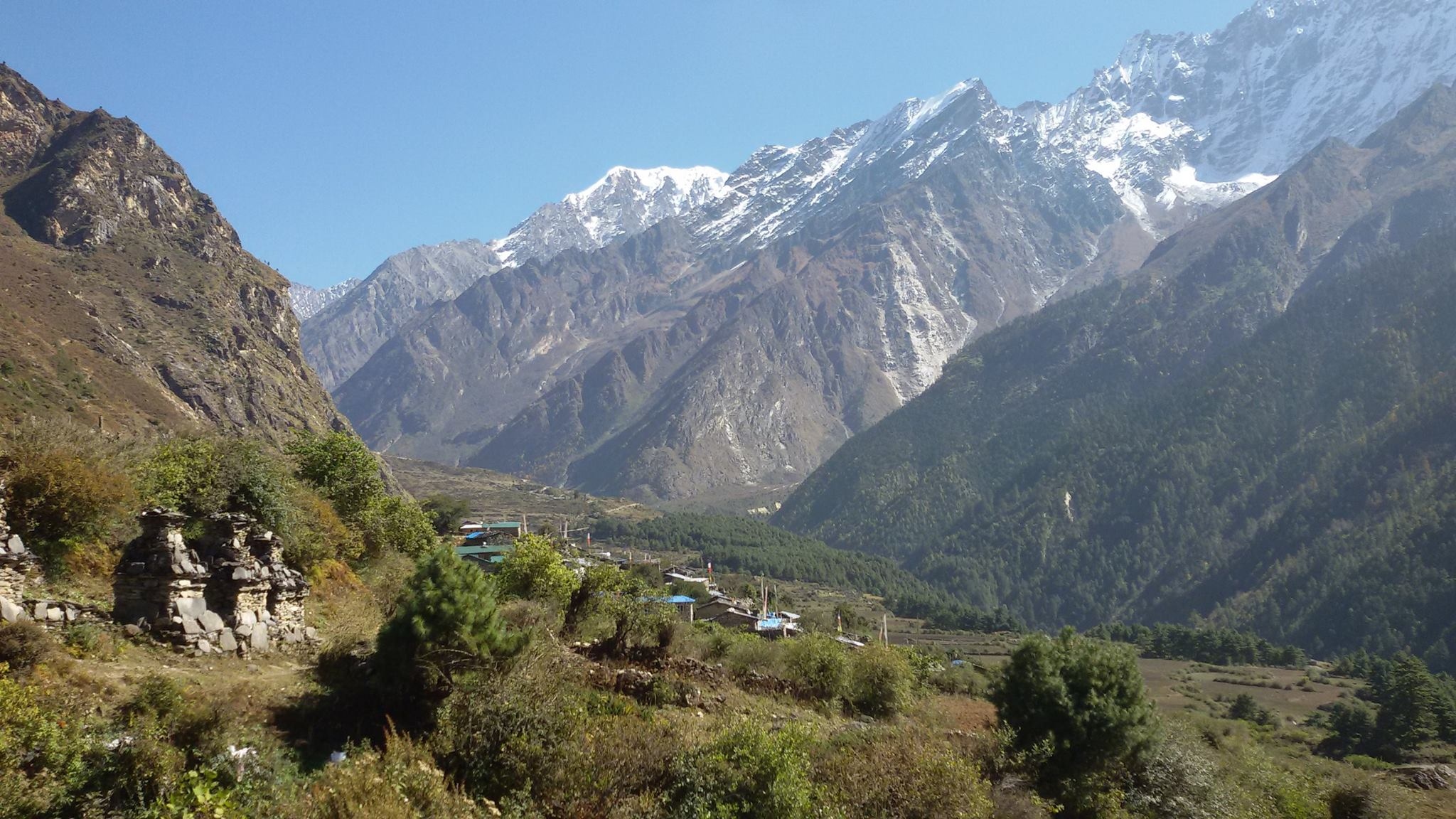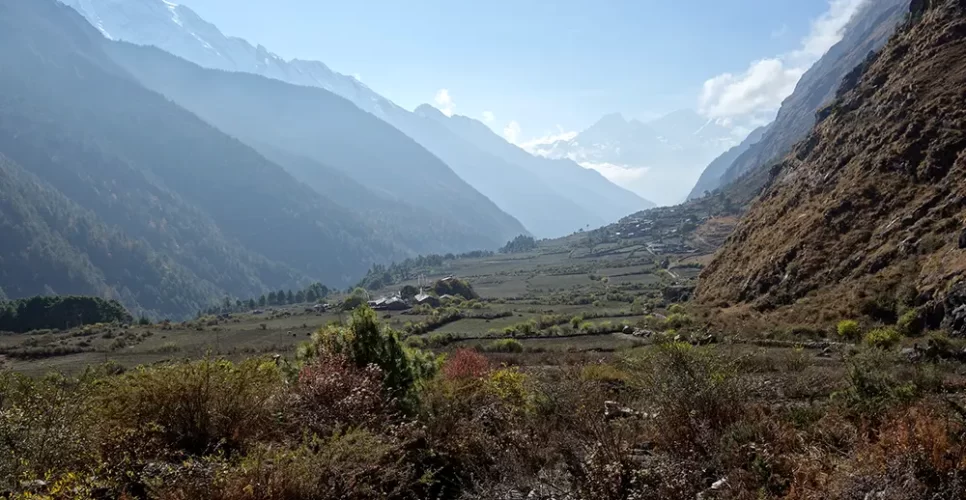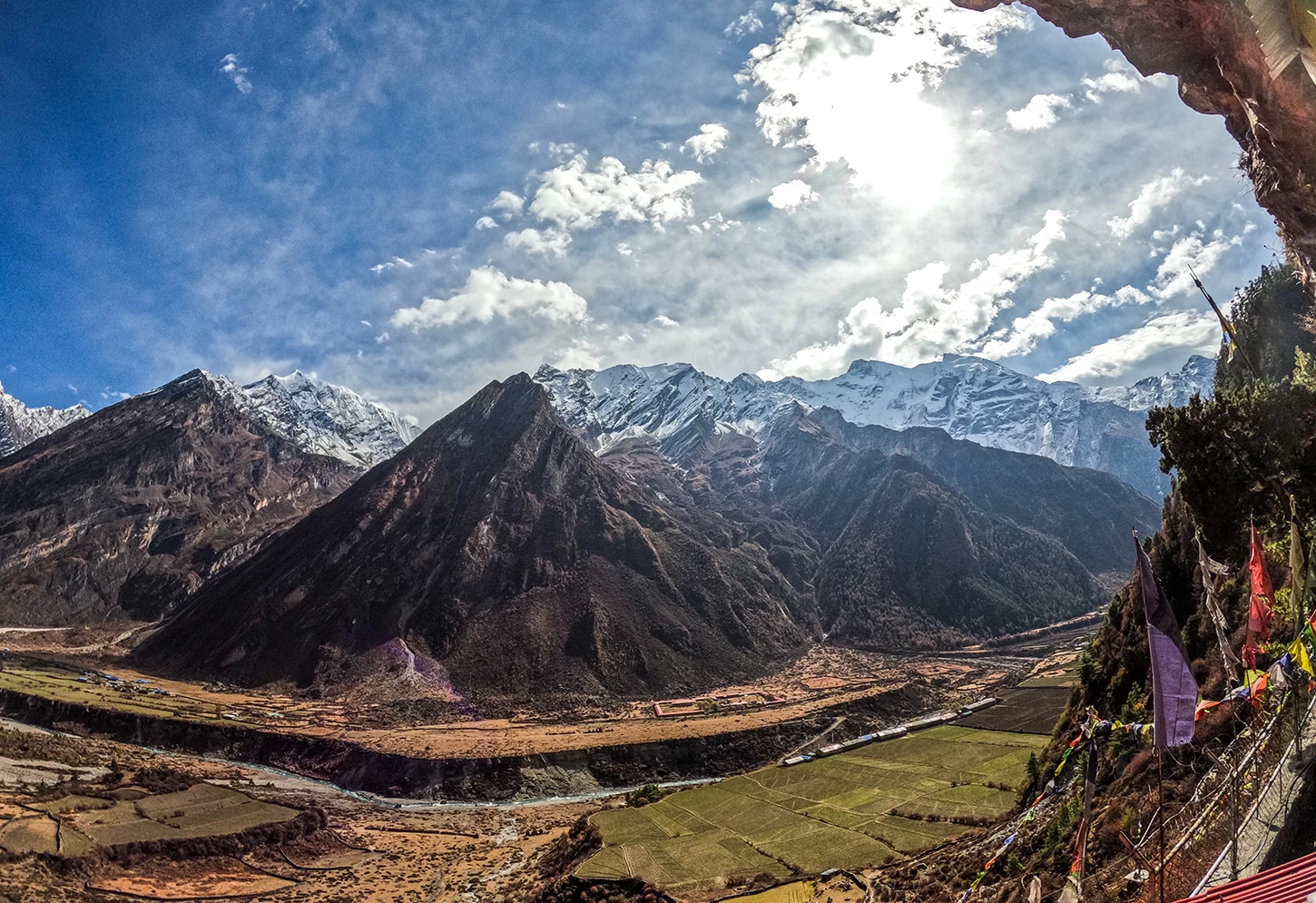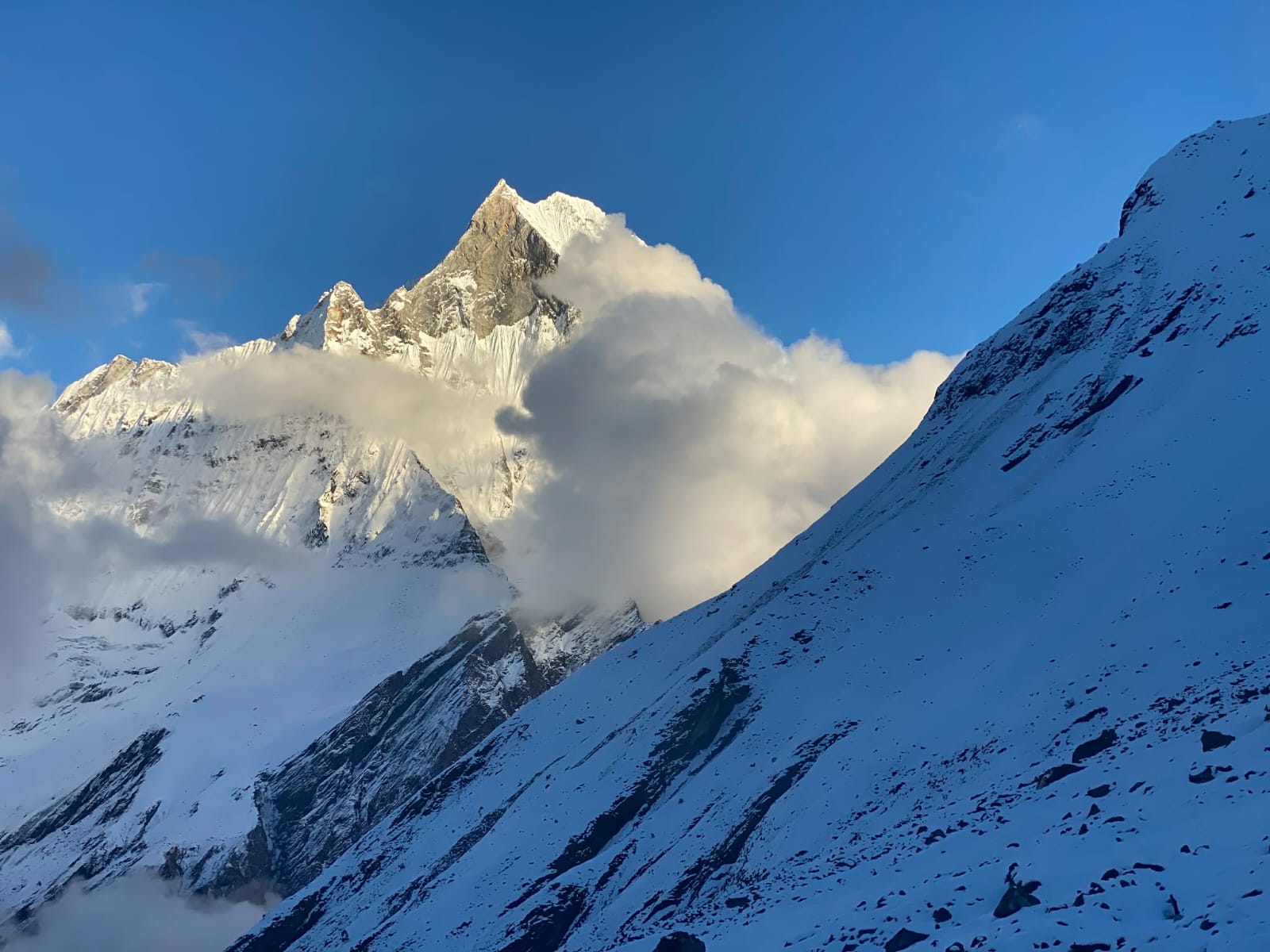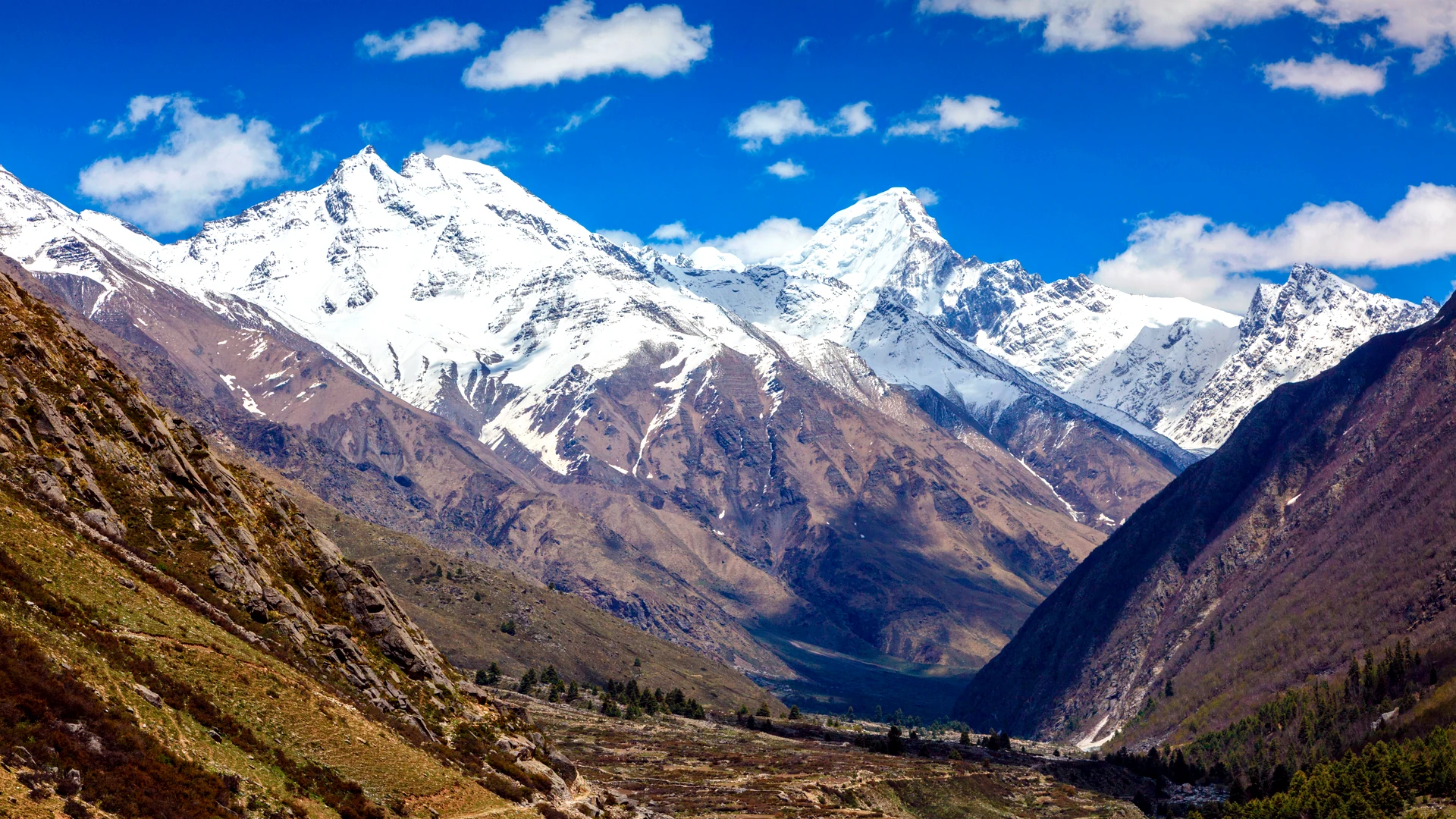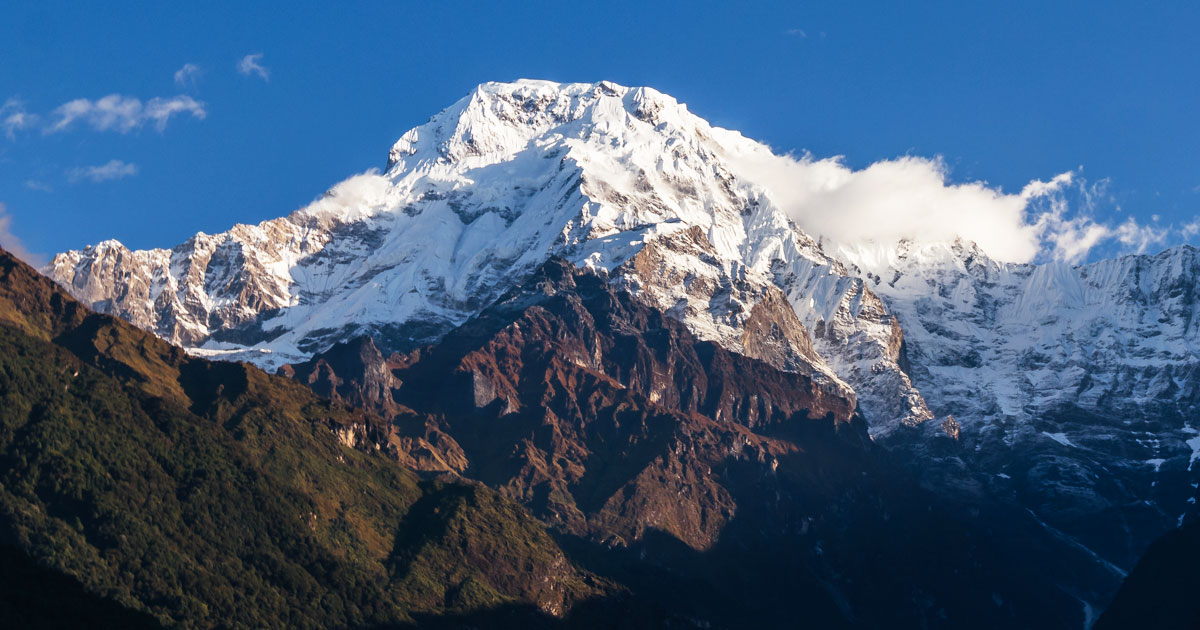
Mountain trail and valley scenery on the Tsum Valley route
Remote & Off-Beaten Region

Tsum Valley Trek

Difficulty Moderate
Duration 19 Days
Max. Altitude 3,700 m / 12,139 ft
Best Season Mar-May, Sep-Nov
Lodging & Meals Lodge / Tea House

Tsum Valley

A restricted-area trek that combines Himalayan village life, Buddhist heritage, and quieter trails in northern Gorkha.

Tsum Valley Trek takes you into the Tsum area of northern Gorkha District, close to the Tibetan border and inside the Manaslu Conservation Area. According to the National Trust for Nature Conservation, the Tsum area includes Chumchet and Chhekampar wards of Tsumnubri Rural Municipality, and the wider conservation area covers 1,663 square kilometers.

A common trek itinerary is around 16 days, beginning from Kathmandu, driving toward the lower Budhi Gandaki valley, and then branching from the main Manaslu trail toward Lokpa and Tsum. On the upper route, many trekkers overnight at Chumling (2,386 m), Chhokang Paro (3,031 m), and Nile (3,361 m), with Mu Gompa (3,700 m) as one of the best-known high points.

Nepal's Department of Immigration classifies Tsum Valley as a restricted trekking area. That means trekkers must go through an authorized trekking agency, must be accompanied by a licensed guide, and cannot obtain the restricted-area permit as a solo FIT trekker. Immigration also requires a minimum of two trekkers for the restricted permit.

Nepal Tourism Board lists the best season for the Manaslu Conservation Area as March to May and September to November, with both lodges and camping used in the region. If you want a trek centered on culture, monasteries, and a more peaceful pace than Everest or Annapurna, Tsum Valley stands out for exactly that reason.
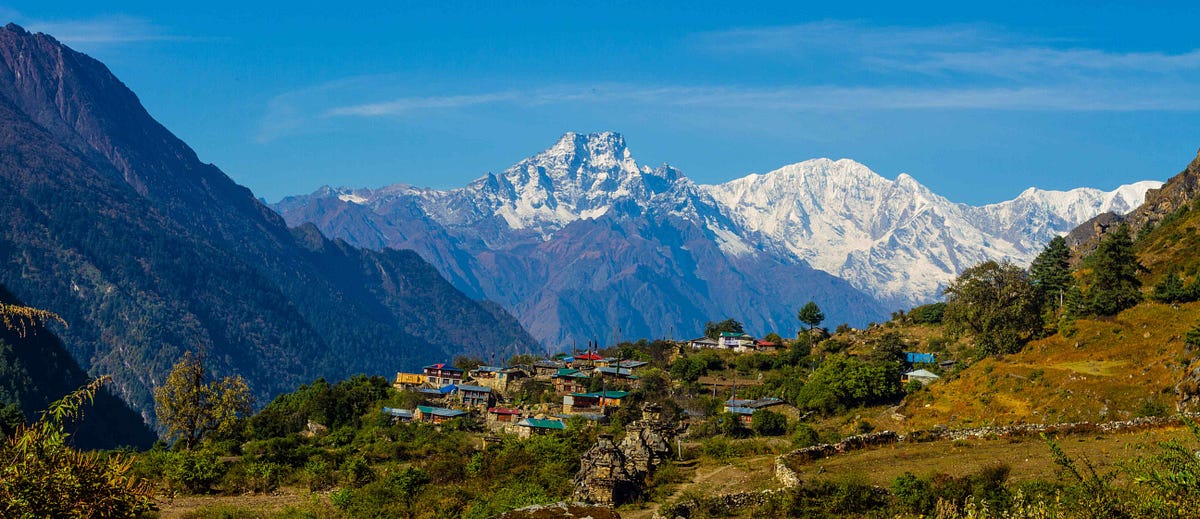
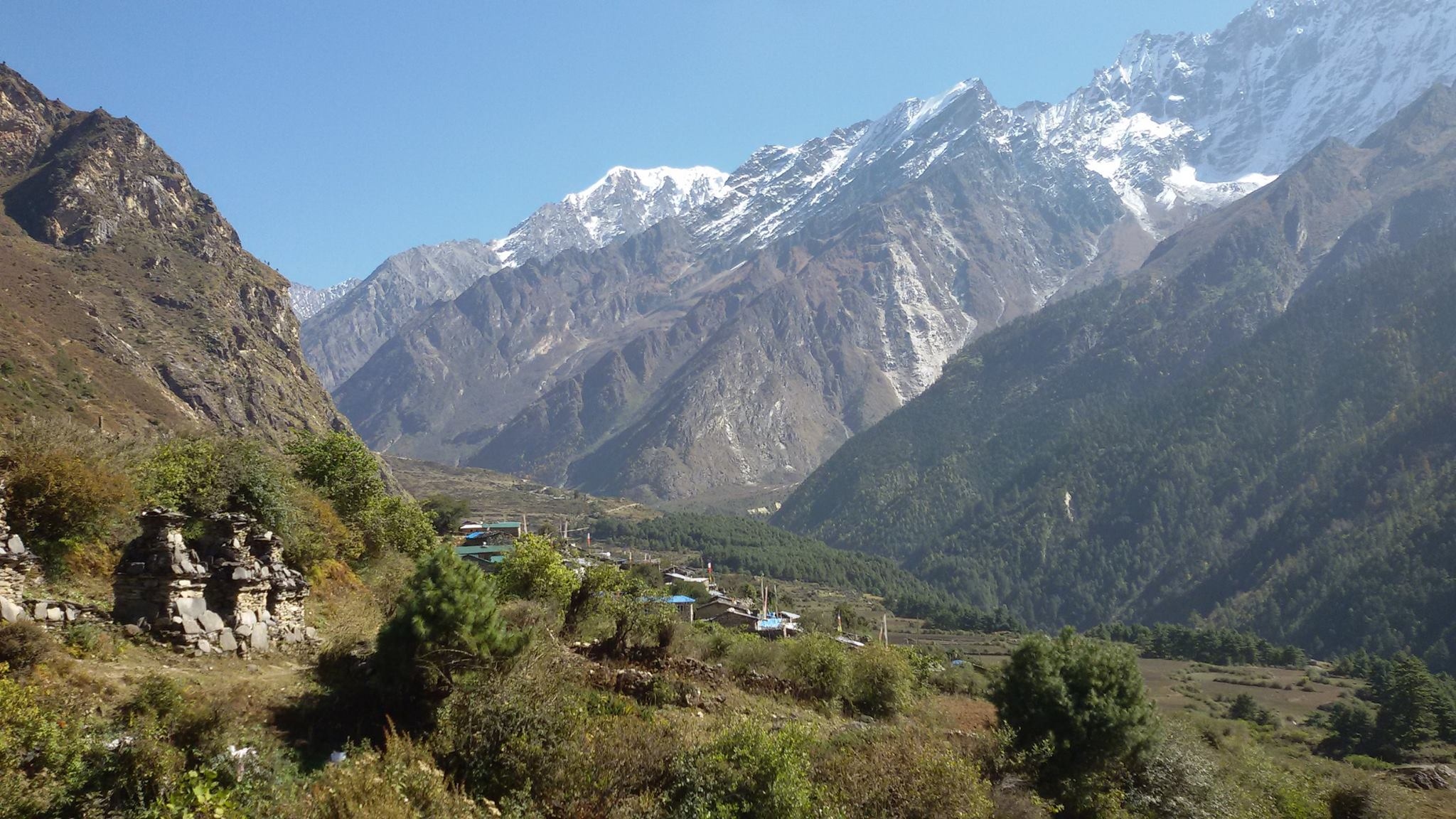
Tsum Valley Trek landscape view
Signature Experiences

Expedition Highlights

01

Trek through Chumling, Chhokang Paro, Nile, and Mu Gompa on one of Nepal's quieter Himalayan cultural routes.

02

Travel in the Tsum area of Tsumnubri Rural Municipality, inside the 1,663 sq. km. Manaslu Conservation Area.

03

See living Tibetan Buddhist culture through mani walls, chortens, monasteries, and traditional stone villages.

04

Visit upper-valley monasteries such as Mu Gompa and walk with views of Ganesh Himal and surrounding high valleys.

05

Trek in the best-known seasons of March to May and September to November, when weather is usually clearer.

Trail Logs & Itinerary

1
Trekking Day

• Trek route: Arrive in Kathmandu and transfer to hotels.
• On reaching Kathmandu via various respective airlines, walk to the airport terminal exit, here our guide and staff receive you with a warm greeting and then transfer you into car or coach (depending upon group size) for the short drive into the heart of Kathmandu city.
• Arrive at hotels; evening dinner, relaxation, and overnight stay at mountain lodge.

2
Trekking Day

• Active acclimatization hike to elevated ridge viewpoints around places interest.
• Breathtaking 360-degree mountain panoramas and exploration of local culture.
• Restful afternoon, hydration, and leisurely walk around the settlement.

3
Scenic Drive

• Scenic highway drive through winding river valleys, terrace fields, and rural townships.
• Panoramic countryside views featuring rolling hills and distant snowcapped peaks.
• Arrive at Soti Khola; evening dinner, team briefing, and overnight lodge stay.

4
Trekking Day

• Trek route: Trek to Machha-Khola (06 hrs).
• The first day's walks from Soti- Khola lead to a short climb for a while with the rest of the walk on a gradual winding uphill trail through terraced farm fields and villages.As our route enters into the cool forested area in a gorge following torrential glacial Buri-Gandaki River upstream, the path follows with a climb in the cool shade of rhododendron and oaks forest after a good walk of near six hours reaching a moderate size village at Maccha-Khola for an overnight stop.
• Arrive at Machha Khola; evening dinner, relaxation, and overnight stay at mountain lodge.

5
Trekking Day

• Trek route: Trek to Jagat (06 hrs).
• After a pleasant overnight at Macha-Khola, a morning walk follows the Buri-Gandaki River upstream, to reach Khorla Beshi a small farm village from here on a winding path to reach Tatopani village with “Hot Spring,” an opportunity for hot bathe as time allows.
• Arrive at Jagat; evening dinner, relaxation, and overnight stay at mountain lodge.

6
Trekking Day

• Trek route: Trek to Lakuwa (05 hrs).
• Marvel at lush bamboo forest along the trail.
• Arrive at Lakuwa; evening dinner, relaxation, and overnight stay at mountain lodge.

7
Trekking Day

• Trek route: Trek to Chumling (06 hrs).
• After Lakuwa village and leaving Buri-Gandaki River for a week, our walk heads towards Tsum valley into the valley of happiness, as our route enters a narrow gorge then with a short descent and uphill climb into rhododendron and pine tree forest walking past small farm villages then climbing above Lungwa Khola to reach at Chumling village for first overnight in Tsum Valley.
• Arrive at Chumling; evening dinner, relaxation, and overnight stay at mountain lodge.

8
Trekking Day

• Trek route: Trek to Chokhan-paro (05 hrs).
• Marvel at panoramic vistas of Ganesh Himal peaks along the trail.
• Arrive at Chokhan paro; evening dinner, relaxation, and overnight stay at mountain lodge.

9
Trekking Day

• Trek route: Trek to Nele after a visiting Milarepa cave (06 hrs).
• After Chokan-paro heading closer towards the upper Tsum area to Nele (Ne-lay) starting with a climb onto an open valley within the windswept country exists only a few small trees that survive around this arid terrain.
• Arrive at Nele after a visiting Milarepa cave; evening dinner, relaxation, and overnight stay at mountain lodge.

10
Trekking Day

• Trek route: Trek to Mu Gompa (04 hrs).
• The morning walk starts on reaching our highest point at Mu Gompa of the adventure, as the walk continues with a climb on high arid terrain offering views of high peaks on the way to Mu Gompa for an overnight stop.
• Arrive at Mu Gompa; evening dinner, relaxation, and overnight stay at mountain lodge.

11
Acclimatization Day

• Active acclimatization hike to elevated ridge viewpoints around the local village and monastery.
• Breathtaking 360-degree mountain panoramas and exploration of local culture.
• Restful afternoon, hydration, and leisurely walk around the settlement.

12
Trekking Day

• Trek route: Trek to Rachen Gompa (05 hrs).
• After an interesting and wonderful time at Mu Gompa return journey visiting another impressive monastery of Rachen Gompa, walk leads on the nice path with a few short climbs and downhill passing a few small villages of cattle herders to reach Rachen Gompa for an overnight stop, afternoon visit Rachen monastery.
• Arrive at Rachen Gompa; evening dinner, relaxation, and overnight stay at mountain lodge.

13
Trekking Day

• Trek route: Trek back to Chumling (06 hrs).
• Today is our last day around Tsum valley, as morning leads to a long descent to reach Chumling village pastg farm areas and then back into tree lines after a long downhill walks reaching at Chumling village for last overnight stop within Tsum areas.
• Arrive at Chumling; evening dinner, relaxation, and overnight stay at mountain lodge.

14
Trekking Day

• Trek route: Trek to Philim (07 hrs).
• Marvel at panoramic vistas of waterfalls then reaching villages of Samba, crossing scenic waterfalls along the trail.
• Arrive at Philim; evening dinner, relaxation, and overnight stay at mountain lodge.

15
Trekking Day

• Trek route: Trek to Tatopani (06 hrs).
• From here onwards into the warmer area of paddy fields, after a breakfast walk leads to Tatopani following Buri Gandaki River past small villages of Nagjet, Sidibas Bazaar, and Jagat.Walk further descends to Yaruphant, then he towards the lower area with a dramatic change in vegetation, finally ending our long day walk at Tatopani for overnight stop, a small farm village with hot spring as Tatopani in Nepali means 'hot water, afternoon enjoy in the hot springs and relax.
• Arrive at Tatopani; evening dinner, relaxation, and overnight stay at mountain lodge.

16
Trekking Day

• Trek route: Trek to Soti Khola (06 hrs).
• Marvel at crossing scenic waterfalls along the trail.
• Arrive at Soti Khola; evening dinner, relaxation, and overnight stay at mountain lodge.

17
Scenic Drive

• Scenic highway drive through winding river valleys, terrace fields, and rural townships.
• Panoramic countryside views featuring rolling hills and distant snowcapped peaks.
• Arrive at respective hotels; evening dinner, team briefing, and overnight lodge stay.

18
Trekking Day

• Trek route: In Kathmandu free and spare day for individual activities.
• On a free and relaxing day in Kathmandu, relax and enjoy individual activities shopping for souvenirs or join in for another exciting sightseeing tour.
• Arrive at In Kathmandu free and spare for individual activities; evening dinner, relaxation, and overnight stay at mountain lodge.

19
Departure Day

• Leisure breakfast at hotel; free time for last-minute souvenir shopping.
• Optional exploration of Kathmandu's historic Durbar Squares.
• Private transfer to Tribhuvan International Airport for your international flight.

Inclusions

  • Department of Immigration rate for the Tsum Valley restricted area is USD 40 per person per week from September to November.
  • From December to August, the restricted-area permit is USD 30 per person per week.
  • After the first week, the official additional charge is USD 7 per person per day.
  • Manaslu Conservation Area entry fee is listed by Nepal Tourism Board as NPR 2,000 for foreigners and NPR 200 for SAARC nationals.
  • Nepal Tourism Board includes Tsum Valley among trekking routes that require a guide and a TIMS card.
  • NTB currently lists TIMS at NPR 2,000 for non-SAARC trekkers and NPR 1,000 for SAARC trekkers.
  • A common standalone itinerary runs for about 16 days, including the overland approach from Kathmandu.
  • The most commonly cited overnight stops on the upper route are Chumling, Chhokang Paro, Nile, and Mu Gompa.
  • The highest common overnight or excursion point on a standard Tsum Valley route is around 3,700 meters at Mu Gompa.
  • This is generally considered a moderate trek, but daily walking includes repeated ascents and descents on mountain trails.
  • Spring and autumn are the preferred seasons because of clearer mountain views and more stable trail conditions.
  • Accommodation is usually in simple lodges or teahouses, with camping still used in some itineraries or special departures.

Exclusions

  • Nepal entry visa fees, international flights, and travel insurance are separate from official trekking permit fees.
  • Private guide, porter, transport, and hotel costs vary by trekking agency and group size, so they should be quoted separately.
  • Charging, hot showers, drinks, snacks, and personal gear costs depend on the lodge and the season.
  • Because there is no single official retail trek price, package pricing should be confirmed directly with the operator.

Frequently Asked Questions

Yes. Unlike popular regions like Everest or Annapurna, remote regions (like Manaslu, Dolpo, or Kanchenjunga) have simpler teahouses or require camping. Facilities are basic, featuring shared squat toilets and limited hot water.
Many remote borders require Restricted Area Permits (RAPs) and must be hiked with a registered guide and a minimum of two trekkers. Our agency handles all permit processing for you.
Charging is mostly solar-powered and available at lower teahouses for a fee. Wi-Fi is rare or non-existent in remote villages. We recommend bringing a high-capacity power bank and a local SIM card.
The trails are less developed, more rugged, and see very few tourists. You should expect steep ascents, high mountain passes (like Larkya La at 5,106m), and long walking days over challenging terrain.
Since there are absolutely no ATMs in remote regions, you must withdraw sufficient cash in Nepalese Rupees in Kathmandu. We recommend budgeting at least 2,500 Rupees ($20 USD) per day for personal expenses.
You should pack high-quality gear: a warm sleeping bag (rated to -15°C), broken-in trekking boots, thermal layers, water purification tools, basic toiletries, and a small personal first-aid kit with altitude medication.