Pikey Peak Sunrise over the Himalayas
Everest Region

Pikey Peak Trek

Difficulty Moderate
Duration 8 Days
Max. Altitude 4,065m
Best Season Spring and Autumn
Lodging & Meals Tea House/Lodge

Pikey Peak

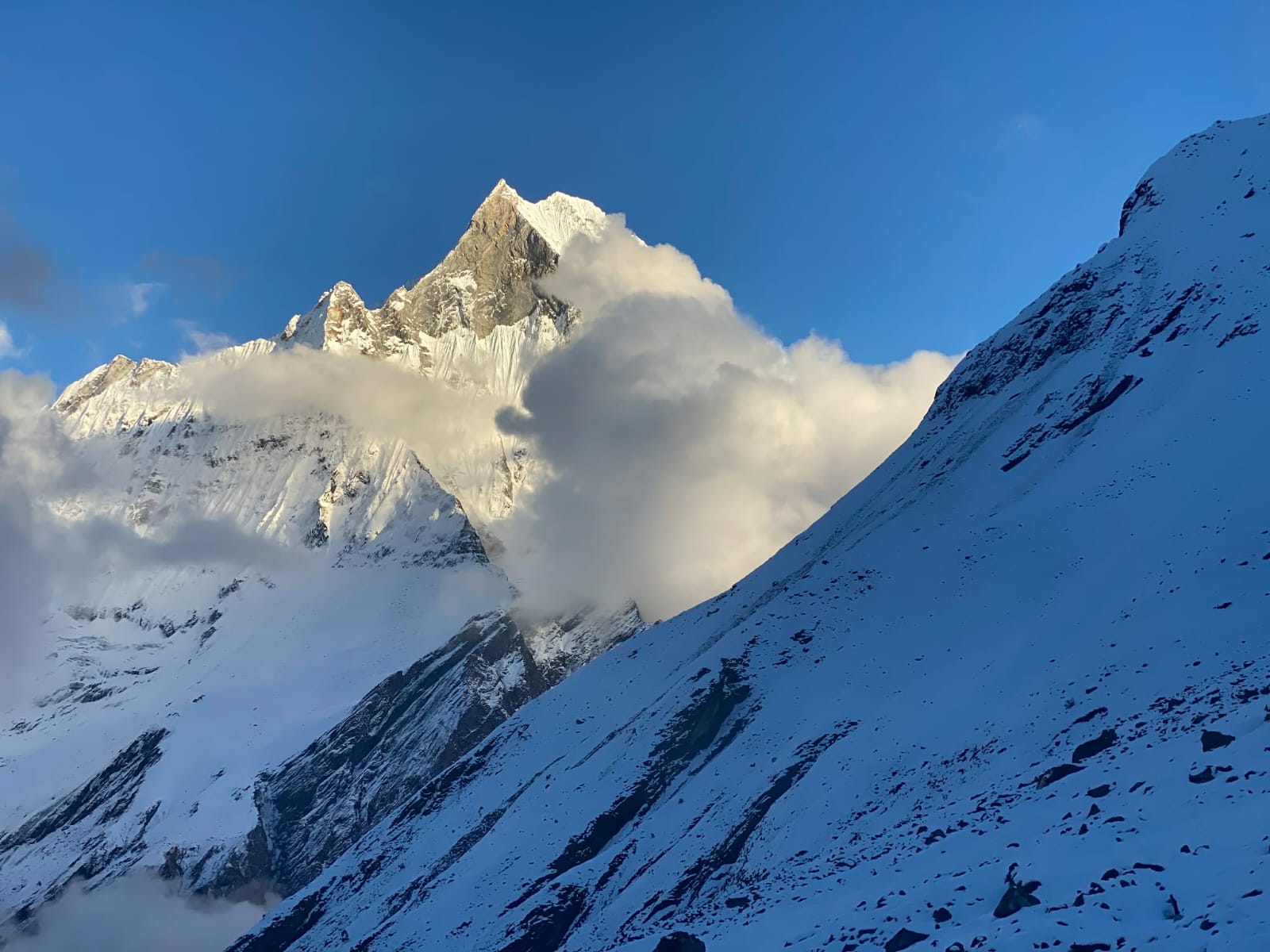
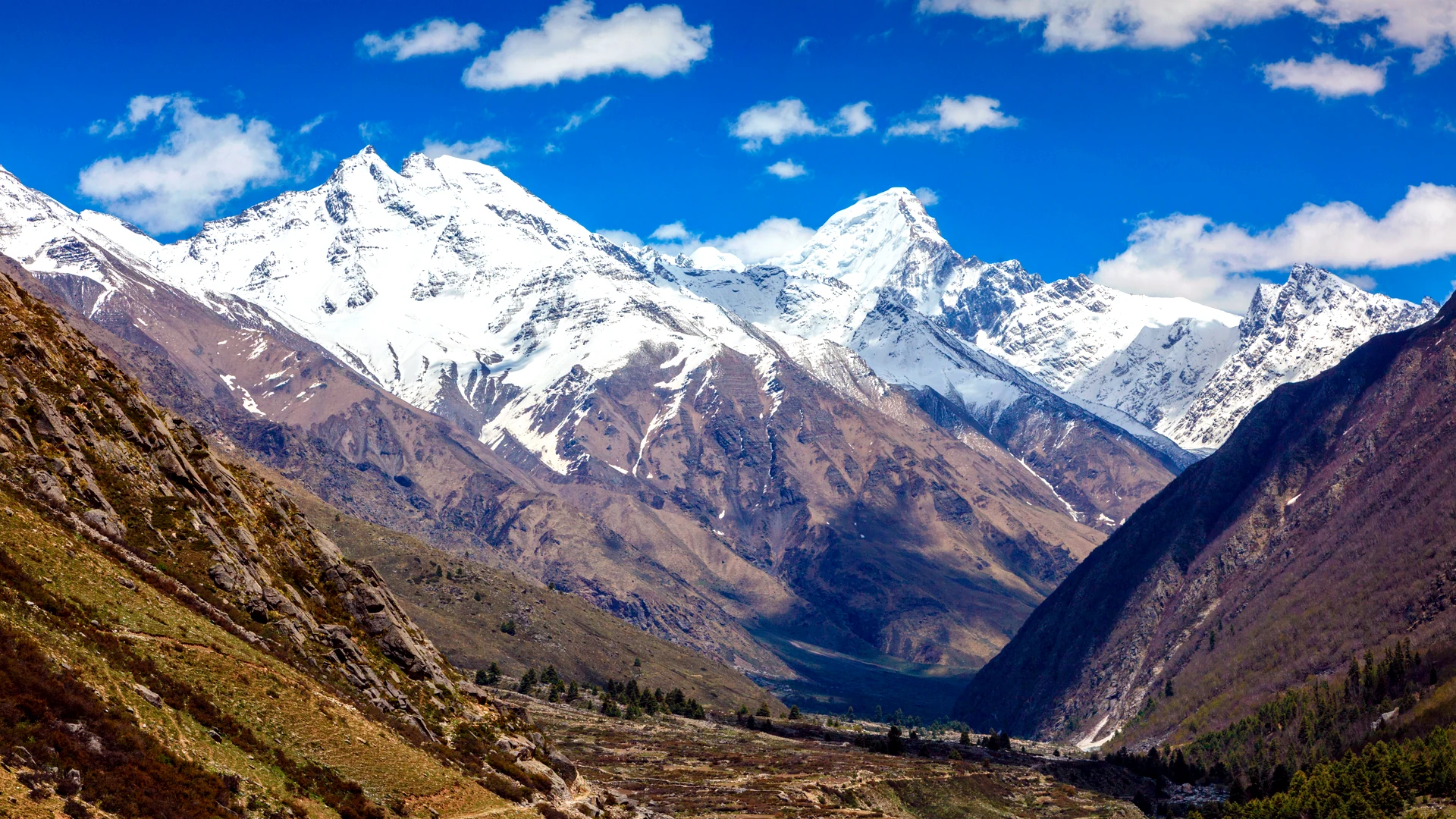
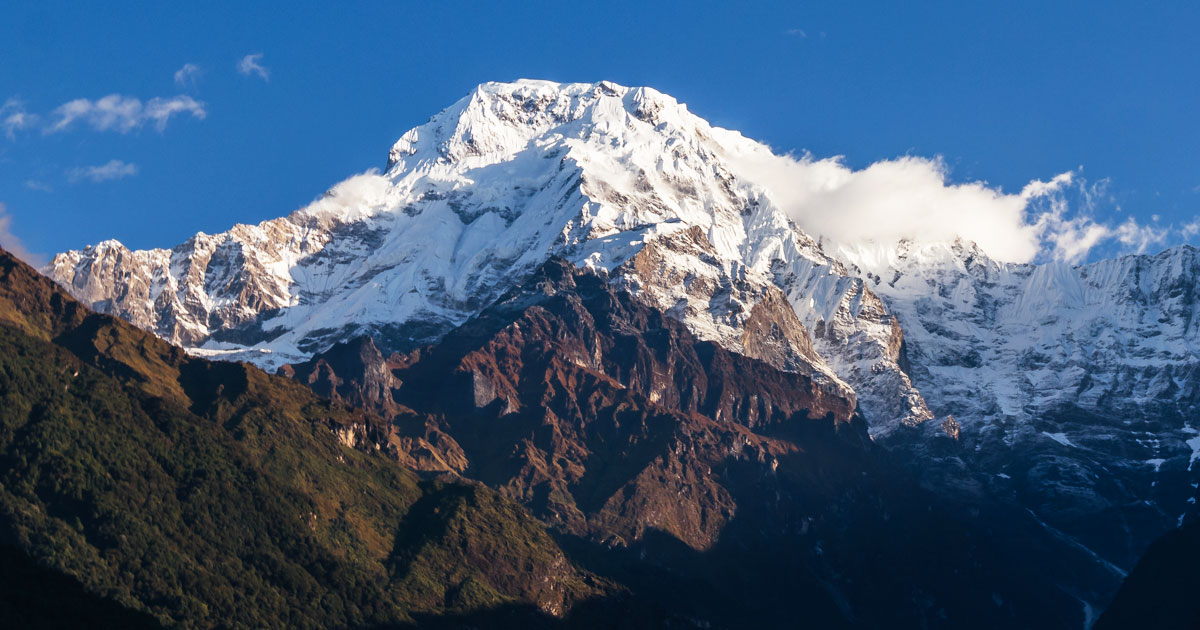
The Pikey Peak Trek is a fantastic, short trekking option in the lower Solukhumbu region that avoids the crowds of the main EBC trail. It is famous for offering one of the most spectacular, sweeping panoramic views of the Himalayas, stretching from Dhaulagiri in the west to Kanchenjunga in the east, including a stunning vista of Mount Everest. Sir Edmund Hillary famously claimed that Pikey Peak offered his favorite view of Everest in all of Nepal. Trekking through beautiful rhododendron forests, terraced fields, and authentic Sherpa villages, you will experience rich local culture and serene monasteries in just a little over a week.

Pikey Peak Trek
Pikey Peak Trek
Signature Experiences

Expedition Highlights

01

Summiting Pikey Peak (4,065m) for arguably the best panoramic views of Mount Everest.

02

A short, accessible trek perfect for those with limited time.

03

Trekking through lush, uncrowded forests and traditional farming terraces.

04

Visiting ancient monasteries in the beautiful Sherpa village of Junbesi.

05

Experiencing authentic local culture far away from the commercialized trails.

Trail Logs & Itinerary

1
Arrival Day

• Welcome upon arrival at Tribhuvan International Airport in Kathmandu.
• Private transfer to hotel; trek briefing, document check, and gear preparation.
• Free evening to explore vibrant local markets in Thamel.

2
Trekking Day

• Trail route: Travel to the trail start point & introductory trek.
• Fly or drive from Kathmandu to the beginning of the trek, starting with a short scenic hike.
• Arrive at the trail start point introductory; evening dinner and restful overnight stay.

3
Trekking Day

• Trail route: Trek through pristine valleys and forests.
• Hike through beautiful landscapes, crossing suspension bridges and passing traditional mountain villages.
• Arrive at through pristine valleys and forests; evening dinner and restful overnight stay.

4
Acclimatization Day

• Active acclimatization hike to elevated ridge viewpoints around scenic short hikes.
• Breathtaking 360-degree mountain panoramas and exploration of local culture.
• Restful afternoon, hydration, and leisurely walk around the settlement.

5
Trekking Day

• Trail route: Trek through pristine valleys and forests.
• Hike through beautiful landscapes, crossing suspension bridges and passing traditional mountain villages.
• Arrive at through pristine valleys and forests; evening dinner and restful overnight stay.

6
Trekking Day

• Trail route: Return to Kathmandu.
• Fly or drive back to Kathmandu.
• Free evening in Thamel for shopping.

7
Departure Day

• Leisure breakfast at hotel; free time for last-minute souvenir shopping.
• Optional exploration of Kathmandu's historic Durbar Squares.
• Private transfer to Tribhuvan International Airport for your departure flight.

Inclusions

  • Airport pick-up and drop-off in a private vehicle.
  • Standard teahouse/lodge accommodation during the trek.
  • All meals (Breakfast, Lunch, Dinner) during the trek.
  • An experienced, English-speaking, and government-licensed trekking guide.
  • Porter service (1 porter for every 2 trekkers).
  • All necessary paperwork and trekking permits (TIMS, National Park Fees).
  • A comprehensive medical kit carried by the guide.
  • Farewell dinner in Kathmandu to celebrate the successful trek.

Exclusions

  • International flight airfare.
  • Nepal entry visa fee (obtainable on arrival at Kathmandu airport).
  • Travel and rescue insurance (mandatory).
  • Personal expenses (phone calls, laundry, bar bills, battery recharge, extra porters).
  • Tips for guide and porters (customary but not mandatory).

Frequently Asked Questions

For 'trekking peaks' like Island Peak or Mera Peak, no advanced mountaineering experience is required, but you must be familiar with using crampons, a harness, and ascenders (Jumar). We provide pre-climb training at base camp.
Yes, all our climbing guides and Sherpas are highly experienced, certified by the Nepal Mountaineering Association (NMA), and have multiple successful summits of Everest and other 8,000-meter peaks.
You need personal mountaineering gear including double climbing boots, crampons, harness, ice axe, ascender (Jumar), descender (figure-8), carabiners, and a helmet. You can bring your own or rent them in Kathmandu or Namche.
Climbing packages feature slow ascent schedules, extra rest days, and acclimatization hikes to high camps. We practice the 'climb high, sleep low' rule to prepare your body for the thin air on summit day.
Safety is our absolute priority. If weather conditions are unfavorable on the scheduled summit day, we will wait at high camp or base camp for a clear weather window. We factor buffer days into our itineraries.
At base camp and high camps, we provide high-quality dome tents, foam mattresses, and a kitchen tent staffed by our professional cook team preparing nutritious, fresh meals to maintain your strength.
Yes, you must secure a specialized insurance policy that explicitly covers mountaineering or peak climbing up to the maximum altitude of your summit, including high-altitude search, rescue, and helicopter evacuation.