Nar Phu Valley Trek Annapurna
Annapurna Region

Nar Phu Valley Trek

Difficulty Challenging
Duration 15 Days
Max. Altitude 5,320m (Kang La Pass)
Best Season Mar-May, Sep-Nov
Lodging & Meals Teahouse / Basic Lodge

Nar Phu Valley

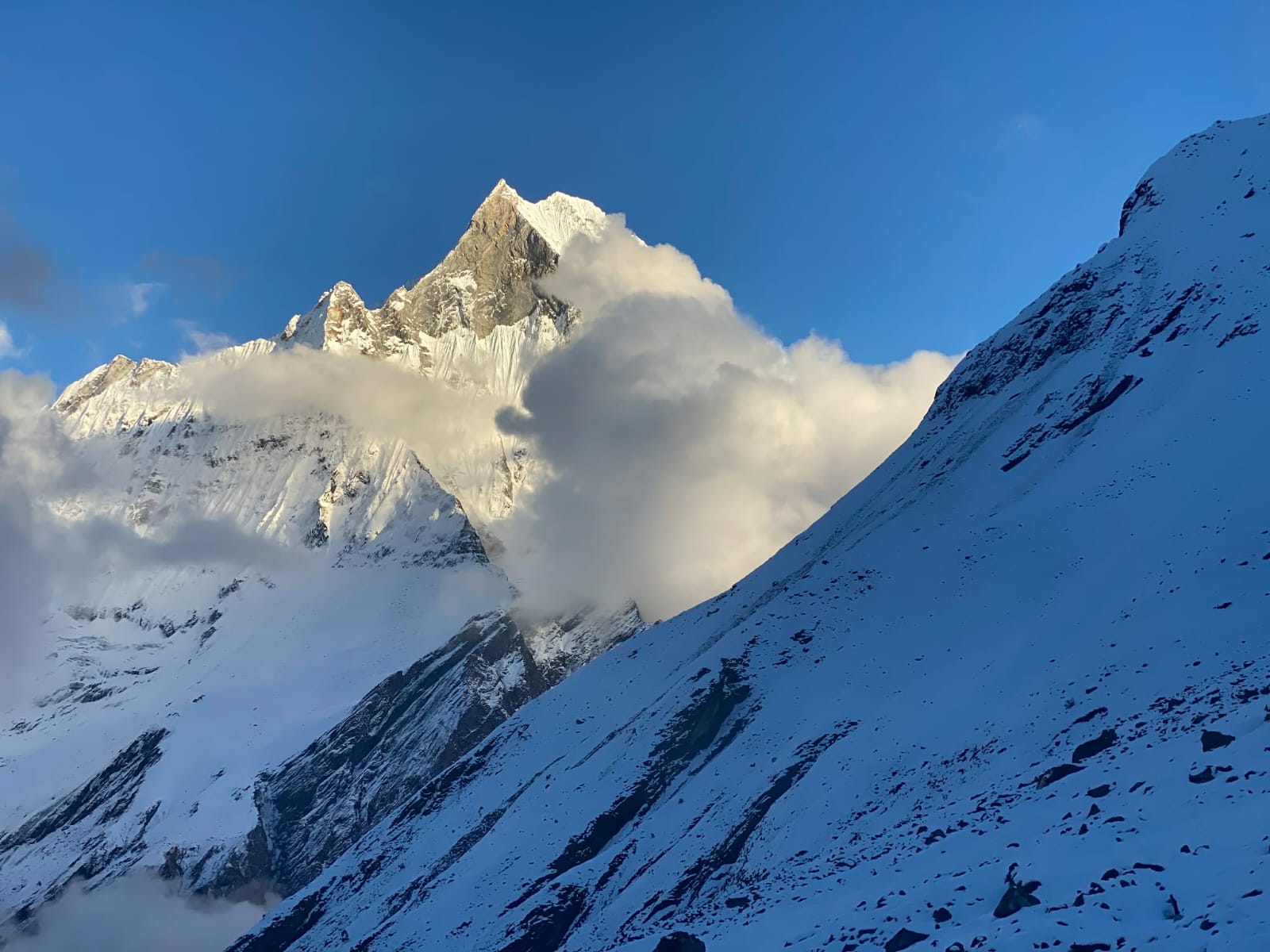
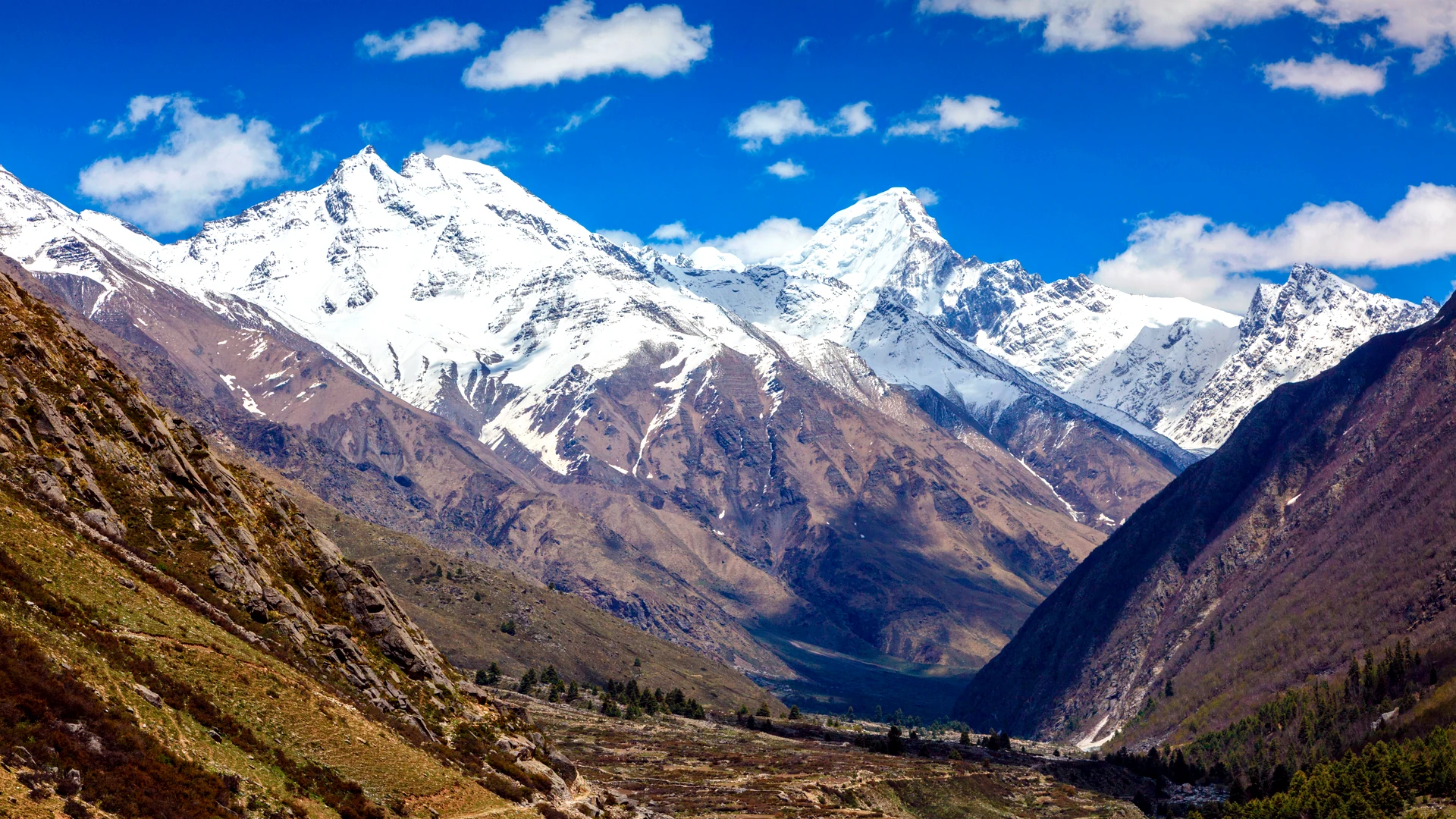
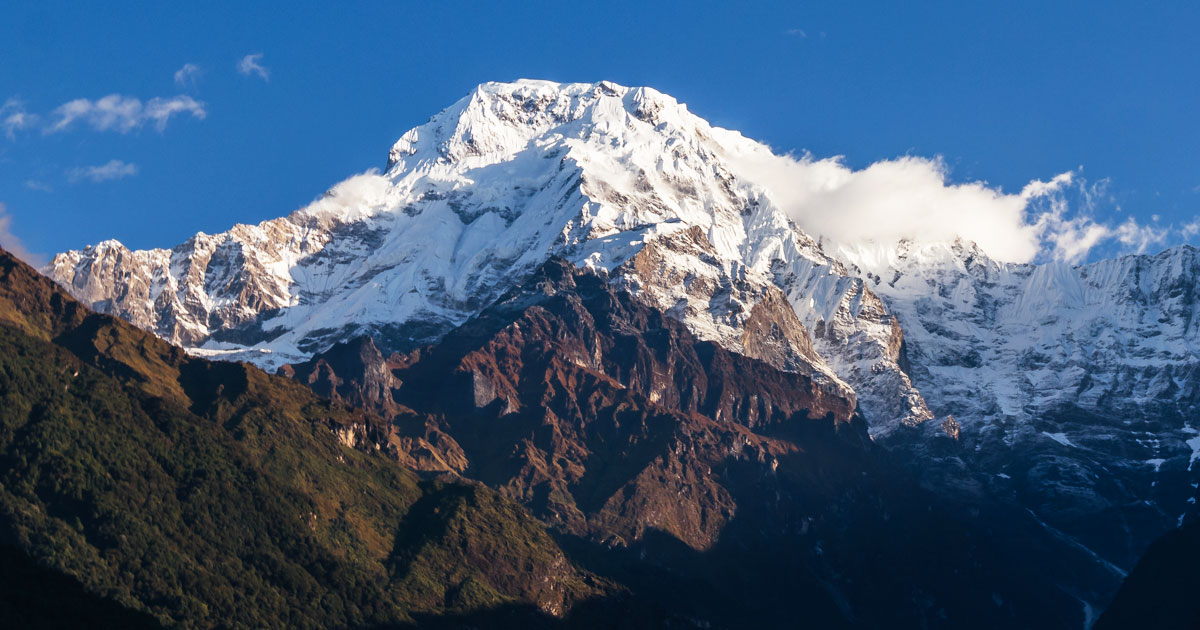
The Nar Phu Valley Trek is an extraordinary journey into one of the most remote and untouched regions of the Himalayas. Opened to trekkers only in 2002, this restricted area lies tucked between the popular Annapurna and Manaslu regions. It offers a true wilderness experience, taking you through dramatic, narrow canyons, lush forests, and into an arid, high-altitude landscape that closely resembles the Tibetan plateau.\n\nOver 15 days, you will explore ancient, stone-built villages heavily influenced by Tibetan Buddhist culture, visit centuries-old monasteries like Tashi Lhakhang, and interact with locals who live completely off the grid. The physical climax of the trek is the challenging crossing of the Kang La Pass (5,320m), which provides a sensational, sweeping panorama of the entire Annapurna massif. This trek is ideal for adventurous souls looking for a raw, rugged, and uncrowded Himalayan experience.

Nar Phu Valley Trek
Nar Phu Valley Trek
Signature Experiences

Expedition Highlights

01

Explore the remote, restricted, and culturally Tibetan villages of Nar and Phu.

02

Cross the challenging Kang La Pass (5,320m) for sweeping views of the Annapurna Massif.

03

Visit the ancient, highly revered Tashi Lhakhang Monastery.

04

Trek through dramatic, narrow gorges and dramatic, arid high-altitude landscapes.

05

Experience a pristine, off-the-beaten-path adventure with very few other trekkers.

Trail Logs & Itinerary

1
Arrival Day Elev: 1,400 m

• Welcome upon arrival at Tribhuvan International Airport in Kathmandu.
• Private transfer to hotel; trek briefing, document check, and gear preparation.
• Free evening to explore vibrant local markets in Thamel.

2
Scenic Drive Elev: 2,600 m

• Scenic drive through winding river valleys, terrace fields, and rural townships.
• Countryside vistas featuring rolling hills and distant snowcapped peaks.
• Arrive at Koto; evening dinner, team briefing, and overnight lodge stay.

3
Trekking Day Elev: 3,560 m

• Trail route: Trek to Meta (3,560 m).
• We leave the main Annapurna Circuit trail and enter the restricted Nar Phu valley.
• The trail involves a steep climb through dense pine forests and a narrow, dramatic gorge before reaching the Tibetan plateau landscape of Meta.

4
Trekking Day Elev: 4,250 m

• Trail route: Trek to Phu Village (4,250 m).
• The landscape becomes barren and desert-like.
• We trek past the ruined forts of the Khampa warriors, crossing several suspension bridges before arriving at the ancient, hidden village of Phu.

5
Acclimatization Day

• Active acclimatization hike to elevated ridge viewpoints around and Exploration in Phu.
• Breathtaking 360-degree mountain panoramas and exploration of local culture.
• Restful afternoon, hydration, and leisurely walk around the settlement.

6
Trekking Day Elev: 4,110 m

• Trail route: Trek to Nar Village (4,110 m).
• We retrace our steps down the valley to Mahendra Pul, then cross a high suspension bridge over a deep gorge.
• A steep, continuous climb brings us to the beautiful, terraced village of Nar.

7
Acclimatization Day

• Active acclimatization hike to elevated ridge viewpoints around and Preparation in Nar.
• Breathtaking 360-degree mountain panoramas and exploration of local culture.
• Restful afternoon, hydration, and leisurely walk around the settlement.

8
High Pass Crossing Elev: 5,320 m / 3,660 m

• Early pre-dawn start to cross Cross Kang La Pass before afternoon high winds.
• Challenging high-altitude ascent rewarded with breathtaking summit panoramas.
• Steady descent to valley floor; celebratory dinner and overnight at mountain lodge.

9
Trekking Day Elev: 3,540 m

• Trail route: Trek to Manang (3,540 m).
• A short, relatively easy walk along the wide Marsyangdi valley.
• We rejoin the bustling Annapurna Circuit trail and arrive at the large, culturally rich village of Manang.

10
Trekking Day Elev: 4,018 m

• Trail route: Trek to Yak Kharka (4,018 m).
• The trail climbs gradually out of Manang, passing through the village of Gunsang.
• The landscape is dominated by alpine grasses and grazing yaks as we approach Yak Kharka.

11
Trekking Day Elev: 4,450 m / 4,800 m

• Early pre-dawn start to cross mountain pass before afternoon high winds.
• Challenging high-altitude ascent rewarded with breathtaking summit panoramas.
• Steady descent to valley floor; celebratory dinner and overnight at mountain lodge.

12
High Pass Crossing Elev: 5,416 m / 3,800 m

• Early pre-dawn start to cross Cross Thorong La Pass before afternoon high winds.
• Challenging high-altitude ascent rewarded with breathtaking summit panoramas.
• Steady descent to valley floor; celebratory dinner and overnight at mountain lodge.

13
Trekking Day Elev: 2,720 m

• Trail route: Trek to Jomsom (2,720 m).
• A dramatic change in scenery as we descend into the arid, windy Kali Gandaki gorge.
• We pass through the medieval village of Kagbeni before arriving at the administrative hub of Jomsom.

14
Scenic Flight

• Trail route: Fly to Pokhara, Fly to Kathmandu.
• An early morning flight takes us between the towering peaks of Annapurna and Dhaulagiri down to Pokhara.
• From there, we take a connecting flight directly back to Kathmandu.

15
Departure Day

• Leisure breakfast at hotel; free time for last-minute souvenir shopping.
• Optional exploration of Kathmandu's historic Durbar Squares.
• Private transfer to Tribhuvan International Airport for your departure flight.

Inclusions

  • Airport pick-up and drop-off in a private vehicle.
  • Standard teahouse/lodge accommodation during the trek.
  • All meals (Breakfast, Lunch, Dinner) during the trek.
  • An experienced, English-speaking, and government-licensed trekking guide.
  • Porter service (1 porter for every 2 trekkers).
  • All necessary paperwork and trekking permits (TIMS, National Park Fees).
  • A comprehensive medical kit carried by the guide.
  • Farewell dinner in Kathmandu to celebrate the successful trek.

Exclusions

  • International flight airfare.
  • Nepal entry visa fee (obtainable on arrival at Kathmandu airport).
  • Travel and rescue insurance (mandatory).
  • Personal expenses (phone calls, laundry, bar bills, battery recharge, extra porters).
  • Tips for guide and porters (customary but not mandatory).

Frequently Asked Questions

Yes. Unlike popular regions like Everest or Annapurna, remote regions (like Manaslu, Dolpo, or Kanchenjunga) have simpler teahouses or require camping. Facilities are basic, featuring shared squat toilets and limited hot water.
Many remote borders require Restricted Area Permits (RAPs) and must be hiked with a registered guide and a minimum of two trekkers. Our agency handles all permit processing for you.
Charging is mostly solar-powered and available at lower teahouses for a fee. Wi-Fi is rare or non-existent in remote villages. We recommend bringing a high-capacity power bank and a local SIM card.
The trails are less developed, more rugged, and see very few tourists. You should expect steep ascents, high mountain passes (like Larkya La at 5,106m), and long walking days over challenging terrain.
Since there are absolutely no ATMs in remote regions, you must withdraw sufficient cash in Nepalese Rupees in Kathmandu. We recommend budgeting at least 2,500 Rupees ($20 USD) per day for personal expenses.
You should pack high-quality gear: a warm sleeping bag (rated to -15°C), broken-in trekking boots, thermal layers, water purification tools, basic toiletries, and a small personal first-aid kit with altitude medication.