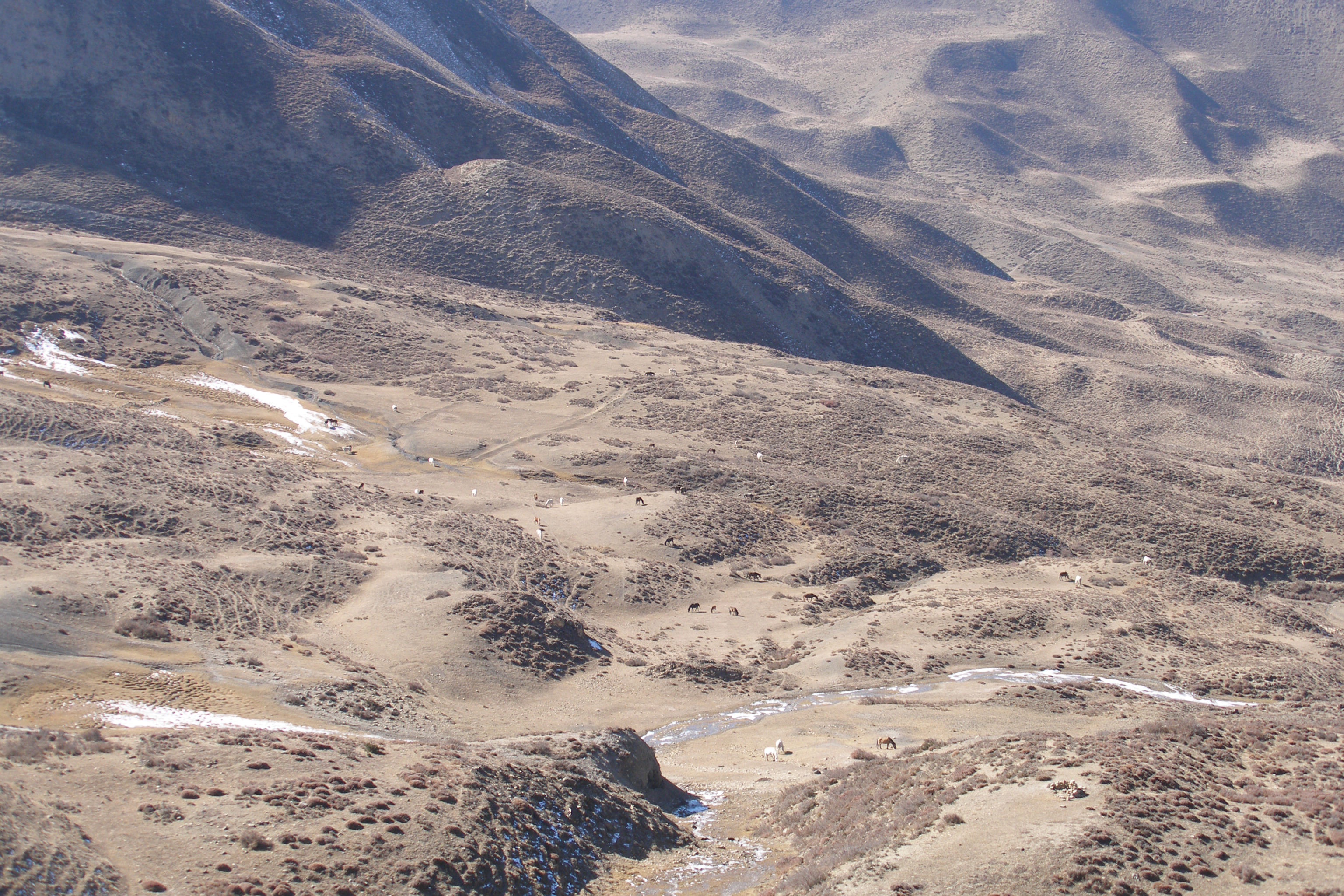
Muktinath Temple and barren landscapes
Annapurna Region

Jomsom Muktinath Trek

Difficulty Moderate
Duration 12 Days
Max. Altitude 3,800m
Best Season Spring & Autumn
Lodging & Meals Teahouse

Jomsom Muktinath

The Jomsom Muktinath Trek is a classic route that takes you through the world's deepest gorge, the Kali Gandaki, nestled between the towering peaks of Annapurna and Dhaulagiri. The landscape changes dramatically as you trek northward, transforming from sub-tropical forests to the barren, wind-swept high desert of the Mustang region. The ultimate destination is the sacred temple complex of Muktinath, revered by both Hindus and Buddhists. Along the way, you'll encounter diverse cultures, from the Gurung and Magar villages in the lower regions to the Thakali people in the Kali Gandaki valley. This trek offers a unique blend of spectacular mountain views, ancient cultural sites, and a journey through diverse climatic zones.

Jomsom Muktinath Trek
Signature Experiences

Expedition Highlights

01

Visit the sacred Muktinath Temple, a major pilgrimage site for Hindus and Buddhists.

02

Trek through the Kali Gandaki Gorge, the deepest river gorge in the world.

03

Experience the dramatic transition from green valleys to the arid, high-desert landscape of Mustang.

04

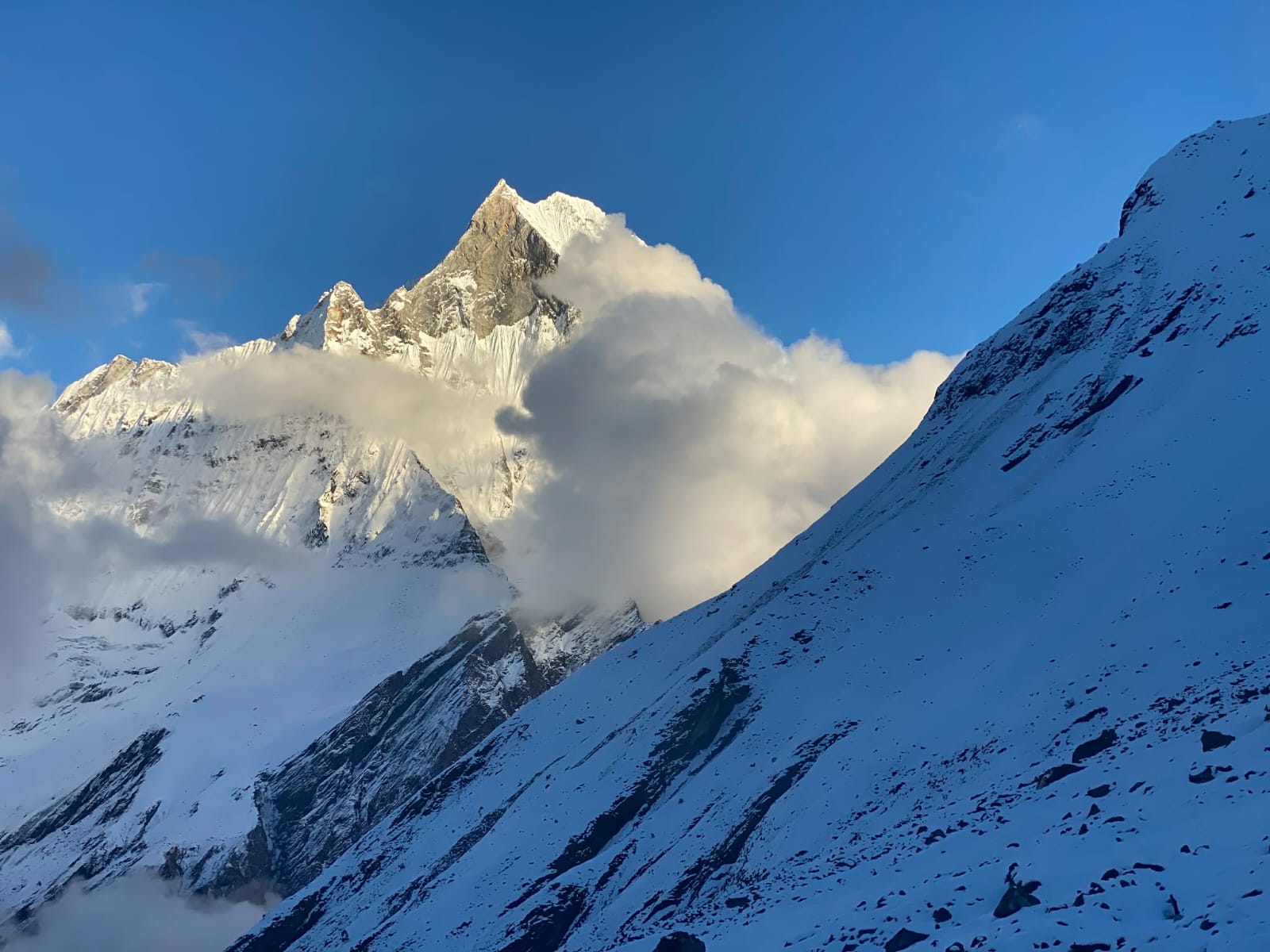
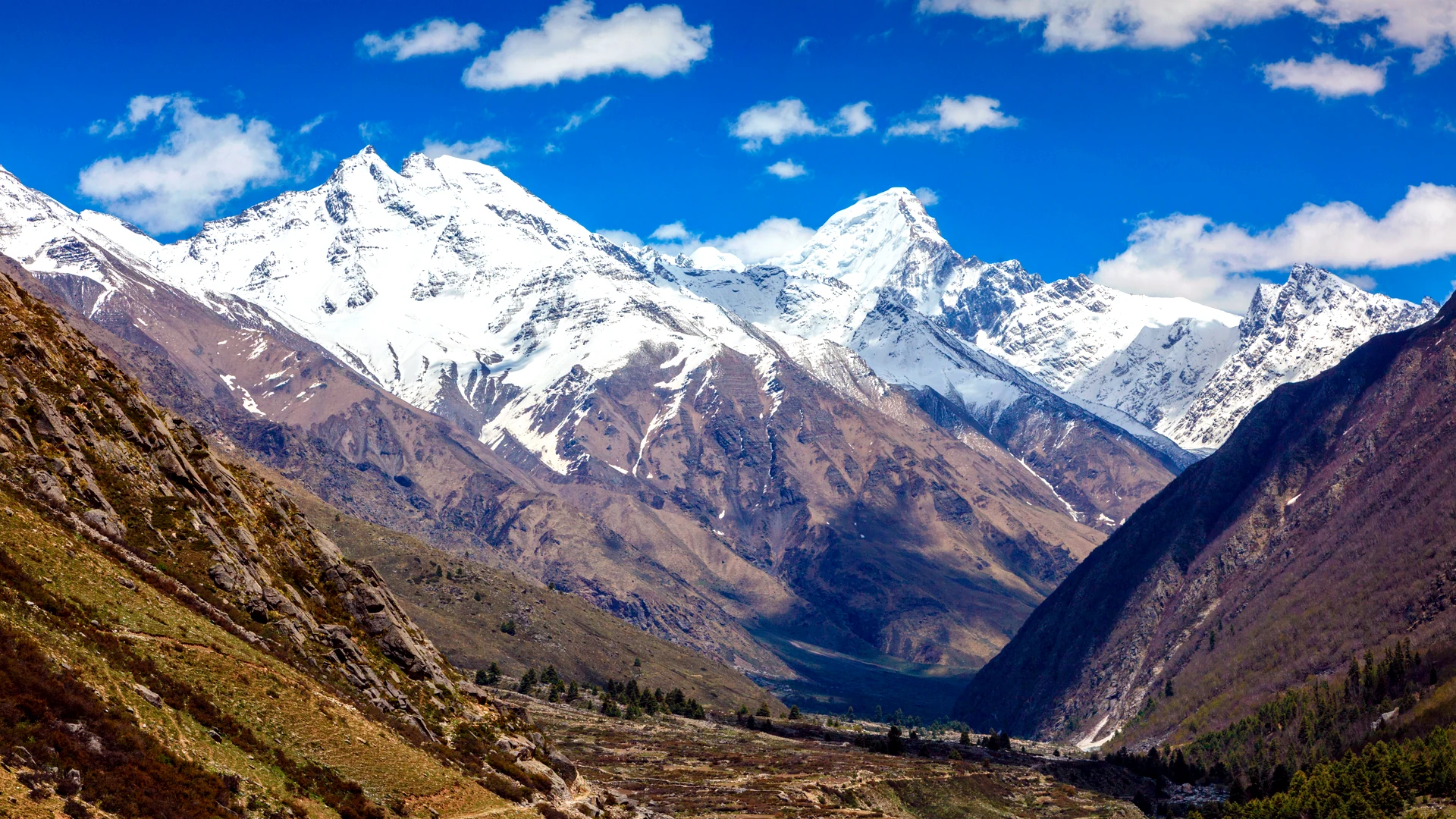
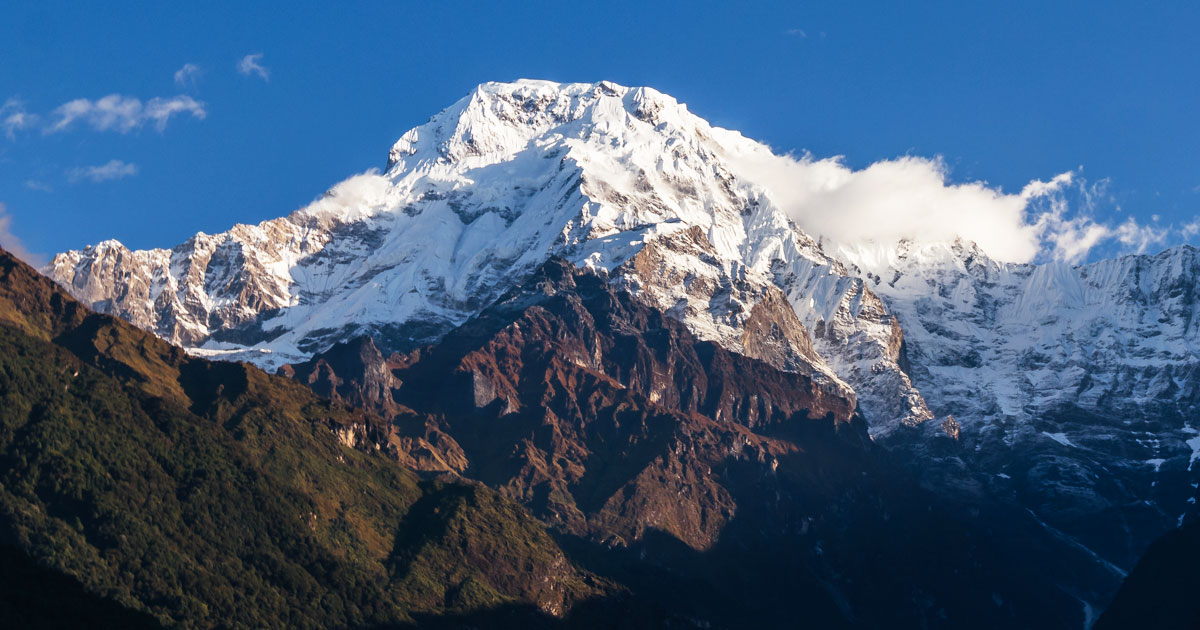
Enjoy breathtaking views of Dhaulagiri, Nilgiri, and the Annapurna massif.

05

Relax in the natural hot springs at Tatopani after days of trekking.

Trail Logs & Itinerary

1
Scenic Flight & Trek Elev: 2,720 m / 2,800 m

• Trail route: Fly from Pokhara to Jomsom (2,720 m) and Trek to Kagbeni (2,800 m).
• Take a thrilling morning flight to Jomsom, then trek along the riverbed to Kagbeni, the gateway to Upper Mustang.
• Arrive at Kagbeni; evening dinner and restful overnight stay.

2
Trekking Day Elev: 3,800 m

• Trail route: Trek from Kagbeni to Muktinath (3,800 m).
• Steep ascent through desert landscapes to reach the holy town of Muktinath.
• Today is the ultimate challenge.

3
Trekking Day Elev: 2,670 m

• Trail route: Explore Muktinath and Trek down to Marpha (2,670 m).
• Visit Muktinath temple in the morning, then descend to the beautiful apple capital, Marpha.
• Arrive at Marpha; evening dinner and restful overnight stay.

4
Trekking Day Elev: 2,010 m

• Trail route: Trek from Marpha to Ghasa (2,010 m).
• Walk through pine forests and traditional Thakali villages following the Kali Gandaki river.
• Arrive at Ghasa; evening dinner and restful overnight stay.

5
Trekking Day Elev: 1,190 m

• Trail route: Trek from Ghasa to Tatopani (1,190 m).
• Descend further into the gorge to Tatopani, famous for its natural hot springs.
• Arrive at Tatopani; evening dinner and restful overnight stay.

6
Trekking Day Elev: 2,860 m

• Trail route: Trek from Tatopani to Ghorepani (2,860 m).
• A long, steep climb through traditional Magar villages and dense rhododendron forests to Ghorepani.
• Today is the ultimate challenge.

7
Trekking Day Elev: 3,210 m / 2,630 m

• Trail route: Hike to Poon Hill (3,210 m), then Trek to Tadapani (2,630 m).
• Early morning hike to Poon Hill for sunrise over the Himalayas, followed by a trek to Tadapani.
• We climb higher into the Marsyangdi or Kali Gandaki valley, where the landscape transitions into a dry, alpine rain-shadow area.

8
Trekking Day Elev: 1,940 m

• Trail route: Trek from Tadapani to Ghandruk (1,940 m).
• Descend through the forest to Ghandruk, a large and picturesque Gurung village.
• Arrive at Ghandruk; evening dinner and restful overnight stay.

9
Scenic Drive

• Trail route: Trek from Ghandruk to Nayapul, Drive to Pokhara.
• Final descent to Nayapul and drive back to Pokhara.
• Arrive at Pokhara; evening dinner and restful overnight stay.

10
Trekking Day

• Trail route: Sightseeing in Pokhara.
• Enjoy a full day exploring Pokhara, boating on Phewa Lake, or relaxing.
• Arrive at Pokhara; evening dinner and restful overnight stay.

11
Scenic Drive

• Scenic drive through winding river valleys, terrace fields, and rural townships.
• Countryside vistas featuring rolling hills and distant snowcapped peaks.
• Arrive at Kathmandu; evening dinner, team briefing, and overnight lodge stay.

12
Departure Day

• Leisure breakfast at hotel; free time for last-minute souvenir shopping.
• Optional exploration of Kathmandu's historic Durbar Squares.
• Private transfer to Tribhuvan International Airport for your departure flight.

Inclusions

  • Airport pick-up and drop-off in a private vehicle.
  • Standard teahouse/lodge accommodation during the trek.
  • All meals (Breakfast, Lunch, Dinner) during the trek.
  • An experienced, English-speaking, and government-licensed trekking guide.
  • Porter service (1 porter for every 2 trekkers).
  • All necessary paperwork and trekking permits (TIMS, National Park Fees).
  • A comprehensive medical kit carried by the guide.
  • Farewell dinner in Kathmandu to celebrate the successful trek.

Exclusions

  • International flight airfare.
  • Nepal entry visa fee (obtainable on arrival at Kathmandu airport).
  • Travel and rescue insurance (mandatory).
  • Personal expenses (phone calls, laundry, bar bills, battery recharge, extra porters).
  • Tips for guide and porters (customary but not mandatory).

Frequently Asked Questions

You need the Annapurna Conservation Area Project (ACAP) Permit and the Trekkers' Information Management System (TIMS) Card. Our team secures these for you in Kathmandu before the trek, and they are covered by your booking fee.
The gateway is Pokhara. You can either take a scenic 25-minute domestic flight or a 6-to-8 hour tourist bus ride from Kathmandu to Pokhara. From Pokhara, we take private jeeps to the specific trailheads.
The highest point is the Thorong La Pass, situated at an elevation of 5,416 meters (17,769 ft). It is a challenging day of walking but offers unforgettable panoramic views of the Annapurna and Dhaulagiri ranges.
ATMs are available in Pokhara, Besisahar, and Jomsom. However, on the mountain trail itself, there are no banking facilities. You must carry sufficient cash in Nepalese Rupees to cover daily personal expenses.
Annapurna teahouses are cozy, family-run mountain lodges. Most have twin-share rooms with wooden beds, foam mattresses, and blankets. Many lower-altitude teahouses now offer attached bathrooms, hot showers, and Wi-Fi.
Altitude sickness can affect anyone above 2,500 meters. Our itineraries feature safe ascent rates and dedicated rest days. Our guides monitor oxygen saturation levels daily to ensure everyone acclimatizes correctly.
To limit single-use plastic waste, we discourage buying plastic water bottles. Instead, fill your reusable bottles with boiled water from teahouses or tap water treated with purification tablets or UV purifiers.