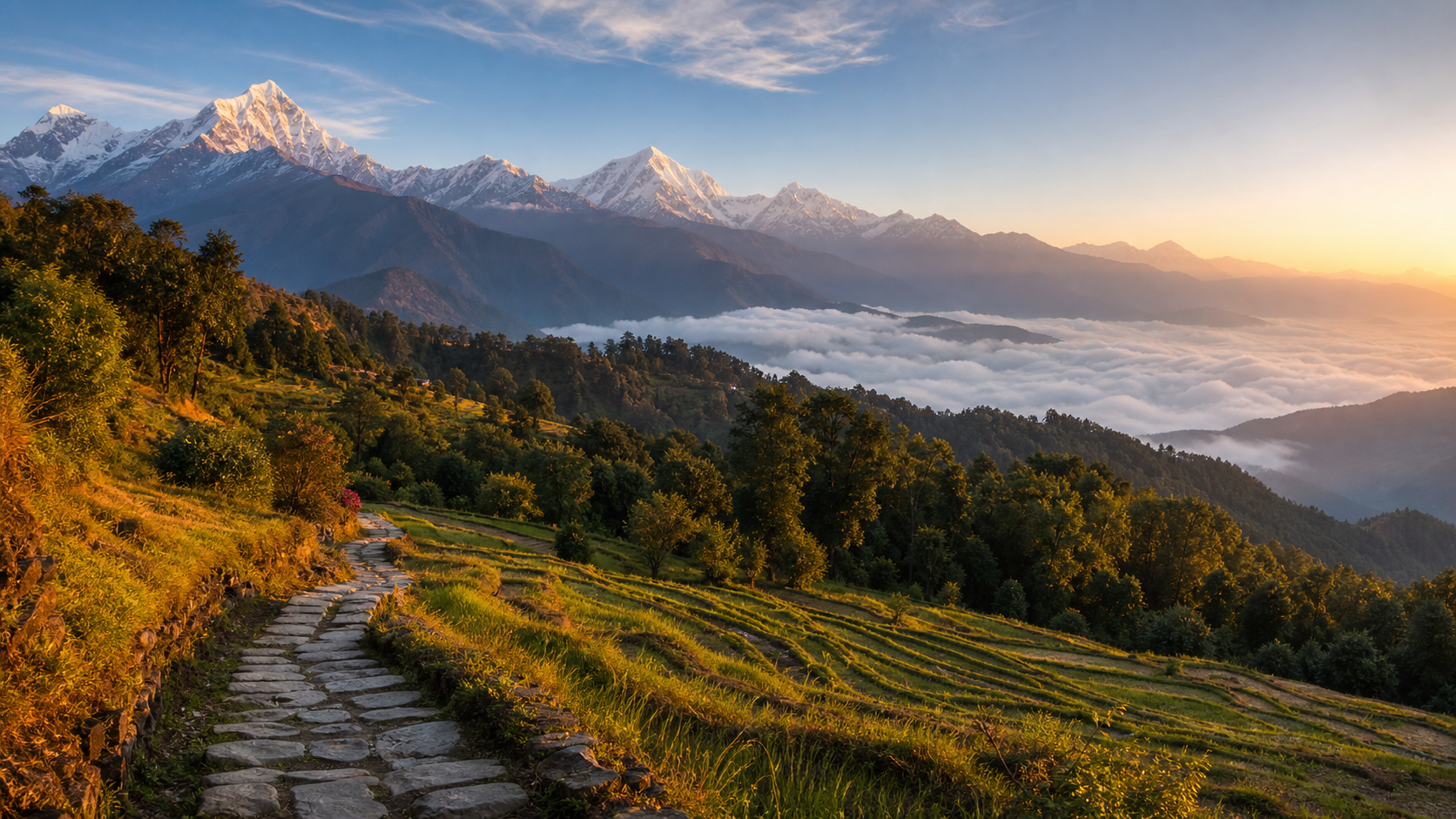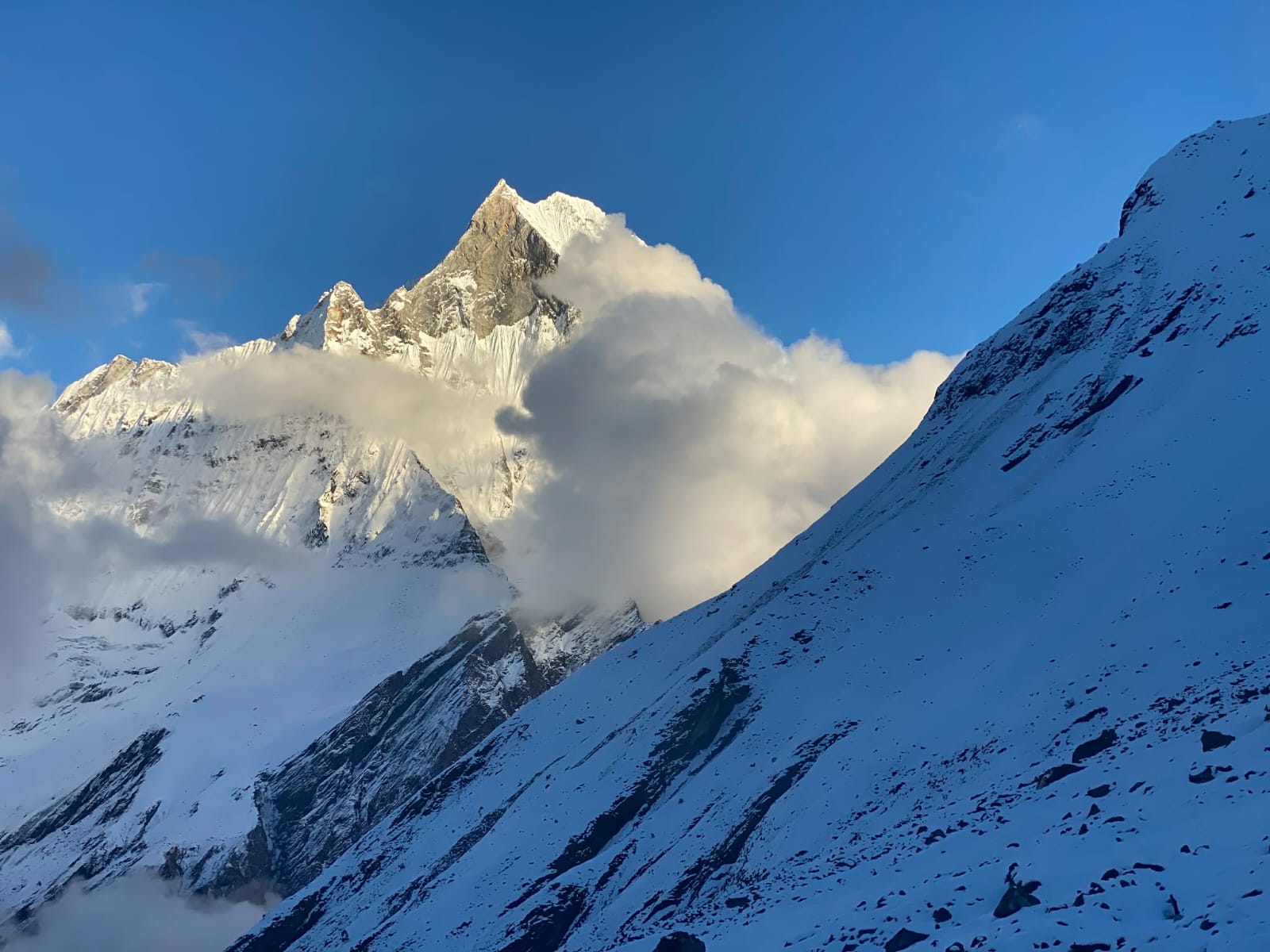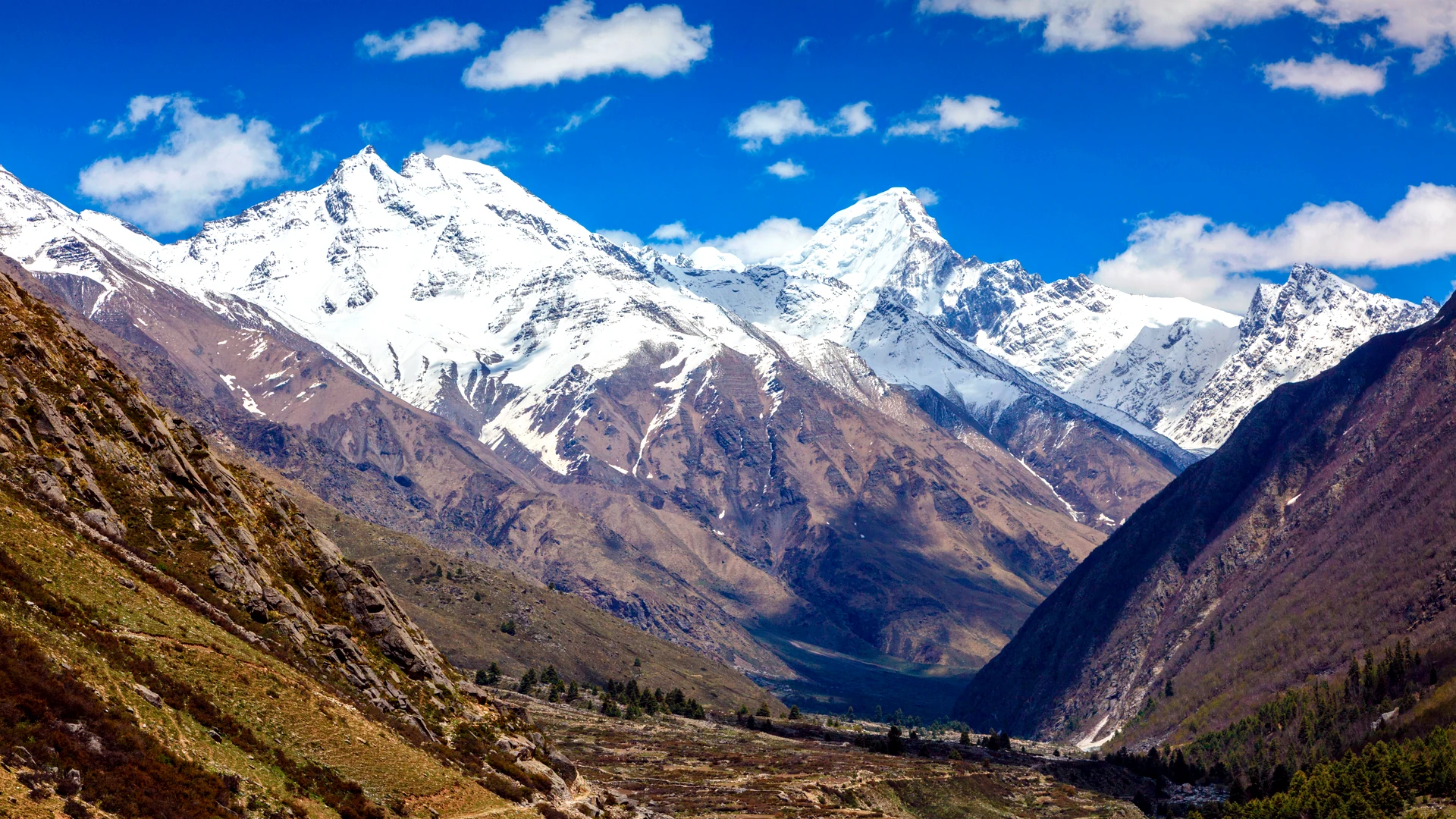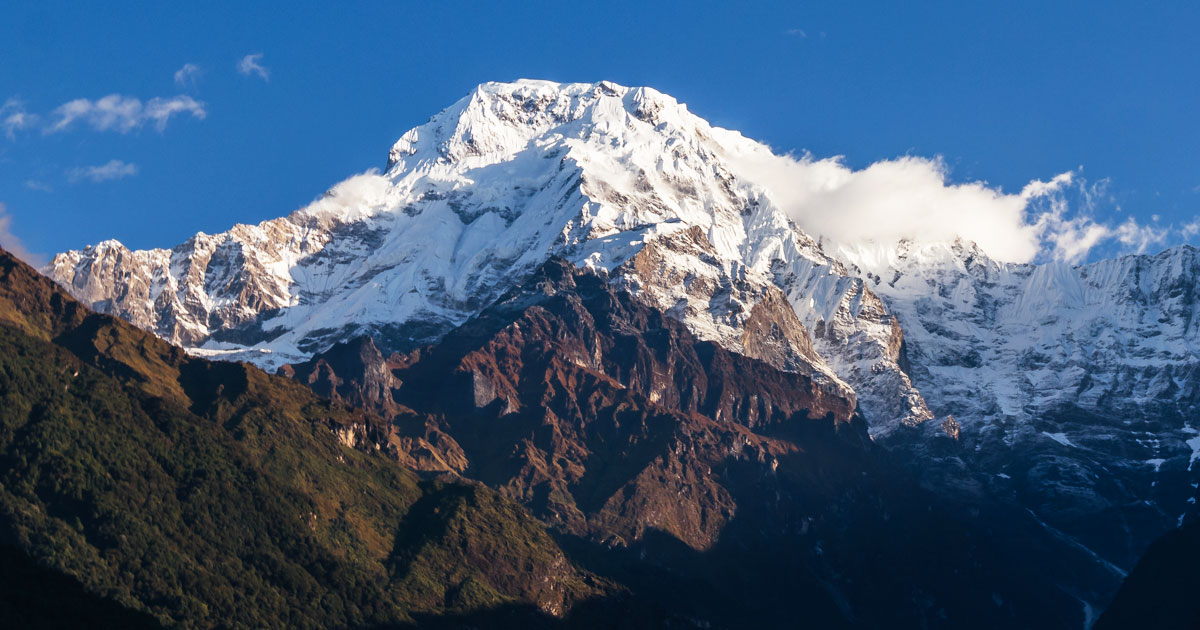
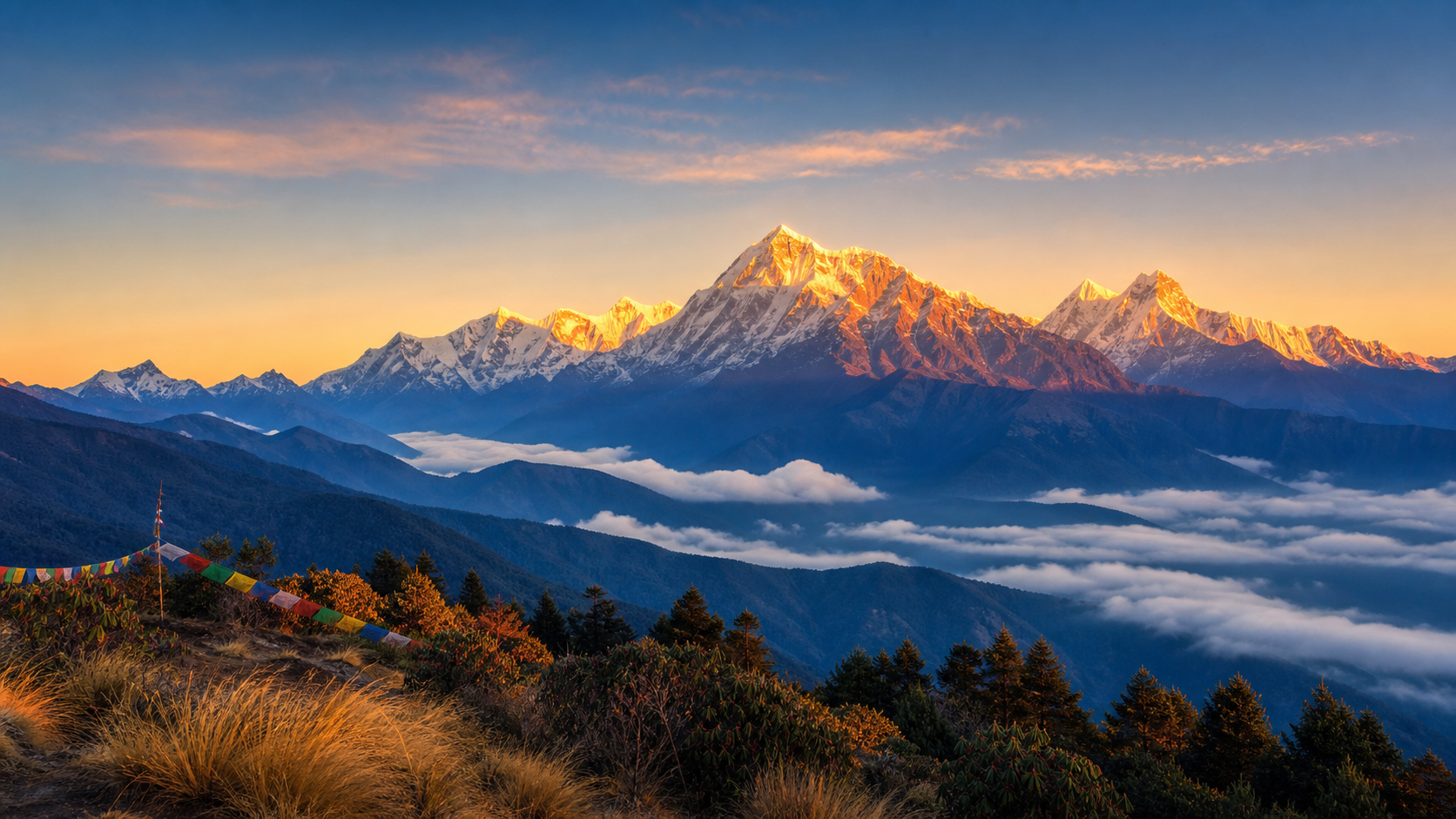
Ghorepani Poon Hill Trek sunrise panorama
Annapurna Region

Ghorepani Poon Hill Trek

Difficulty Easy to Moderate
Duration 7 Days
Max. Altitude 3,210 m / 10,531 ft
Best Season Mar-May, Sep-Nov
Lodging & Meals Hotel & Lodge

Ghorepani Poon Hill

A short and rewarding Himalayan trek with beautiful village trails and one of Nepal's best sunrise viewpoints.

Ghorepani Poon Hill Trekking is a great choice for travelers who want mountain scenery without going too high or staying too long on the trail. The route is well known, but it still feels special because the views change every day and the villages feel welcoming and lived-in.

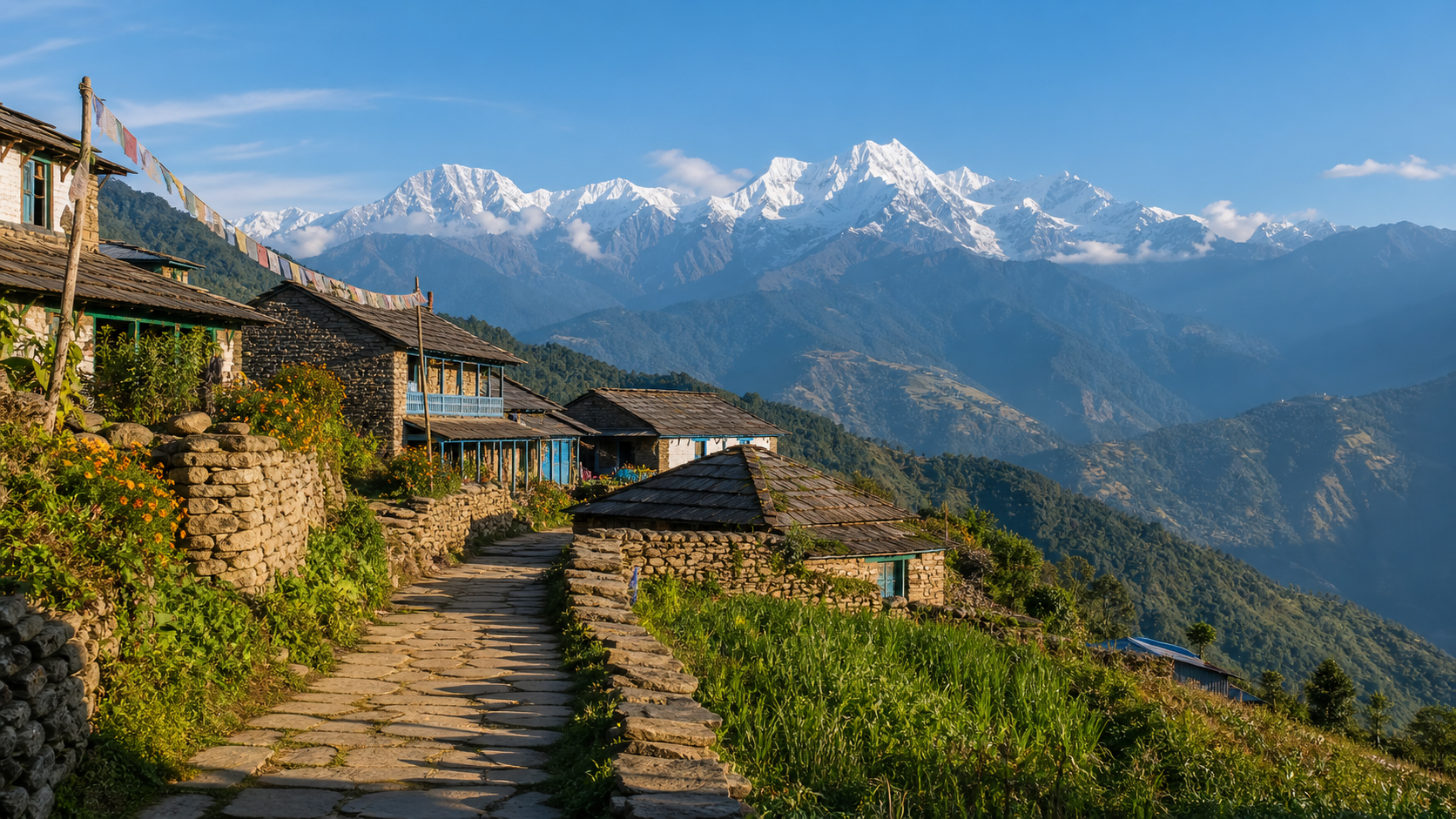
The trek begins from the lower Annapurna region and passes through farm country, forest, and Magar and Gurung villages. Stone steps, suspension bridges, and neat hillside settlements give the walk a very classic Nepal feel.

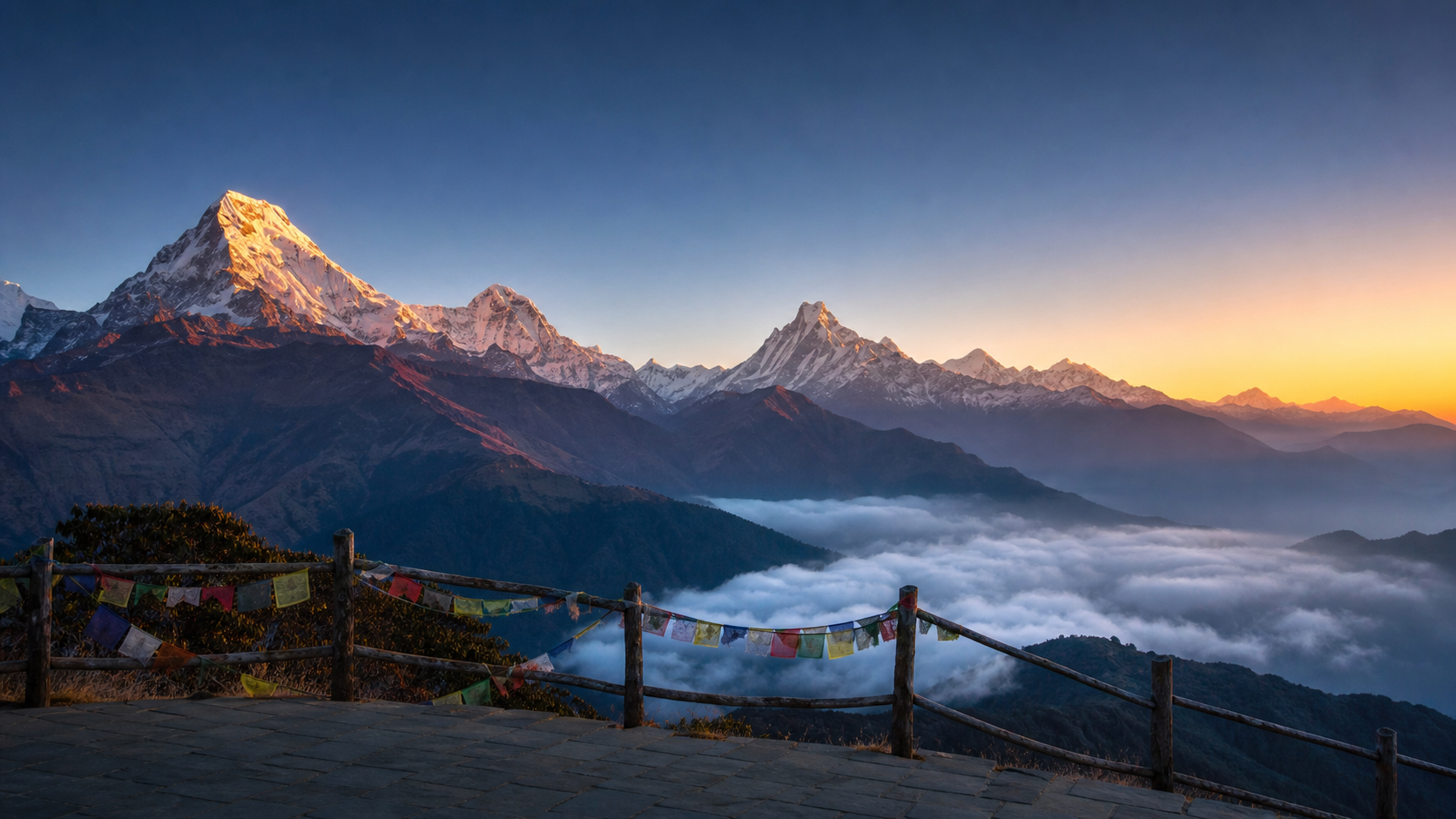
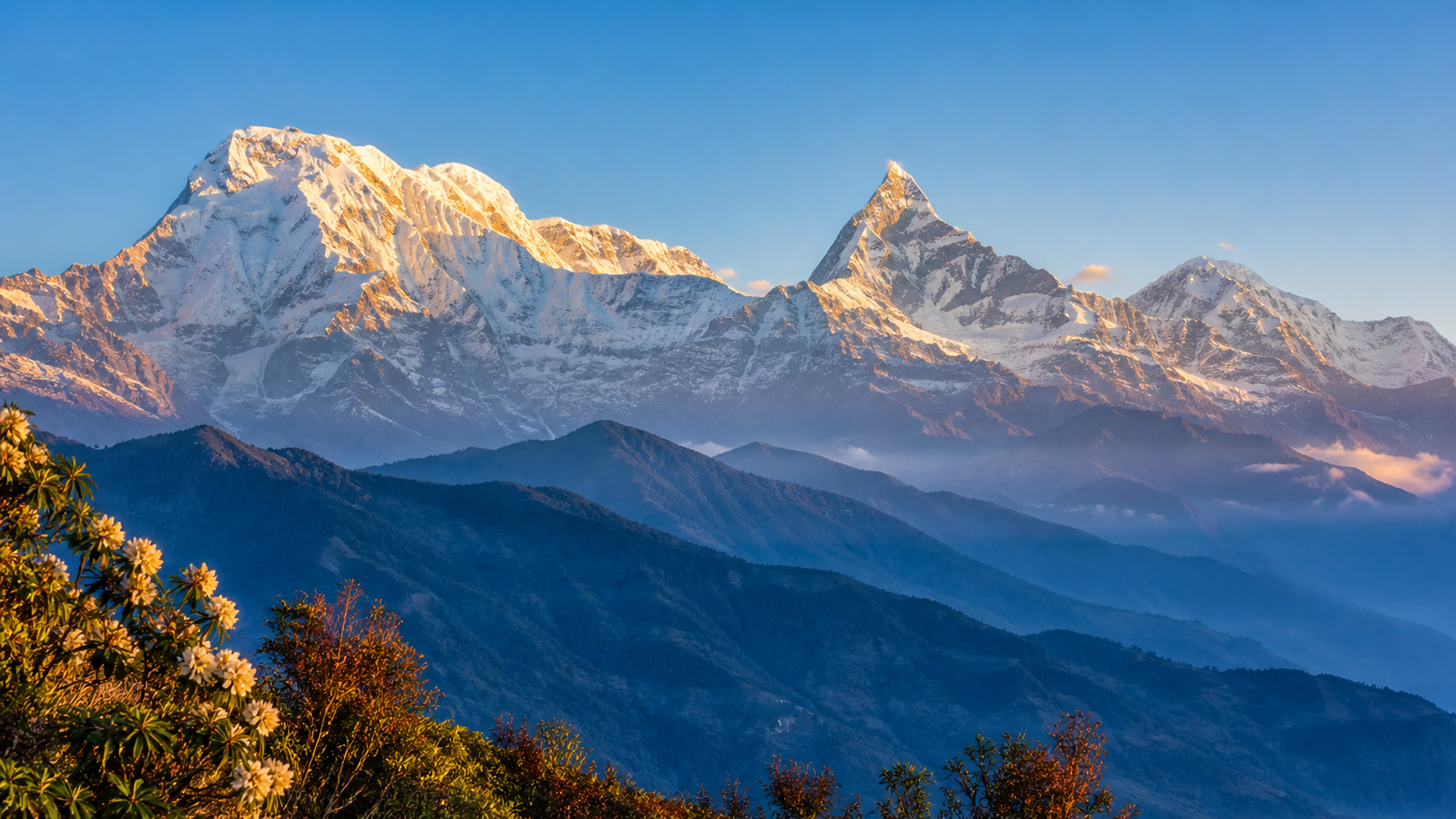
Poon Hill is the big highlight. We start early in the dark, climb to the viewpoint, and wait for the light to reach the snow peaks. On a clear morning, the panorama is wide and unforgettable, but the rest of the route is just as enjoyable because it is full of quiet village moments and changing landscapes.

At 3,210 meters, this trek is lower and more comfortable than many Himalayan routes, which makes it a good option for families, first-time trekkers, and anyone who wants a shorter mountain holiday with real rewards.
Ghorepani Poon Hill Trek redesigned image 1
Signature Experiences

Expedition Highlights

01

Watch sunrise from Poon Hill with wide views of Annapurna, Dhaulagiri, and Machhapuchhre.

02

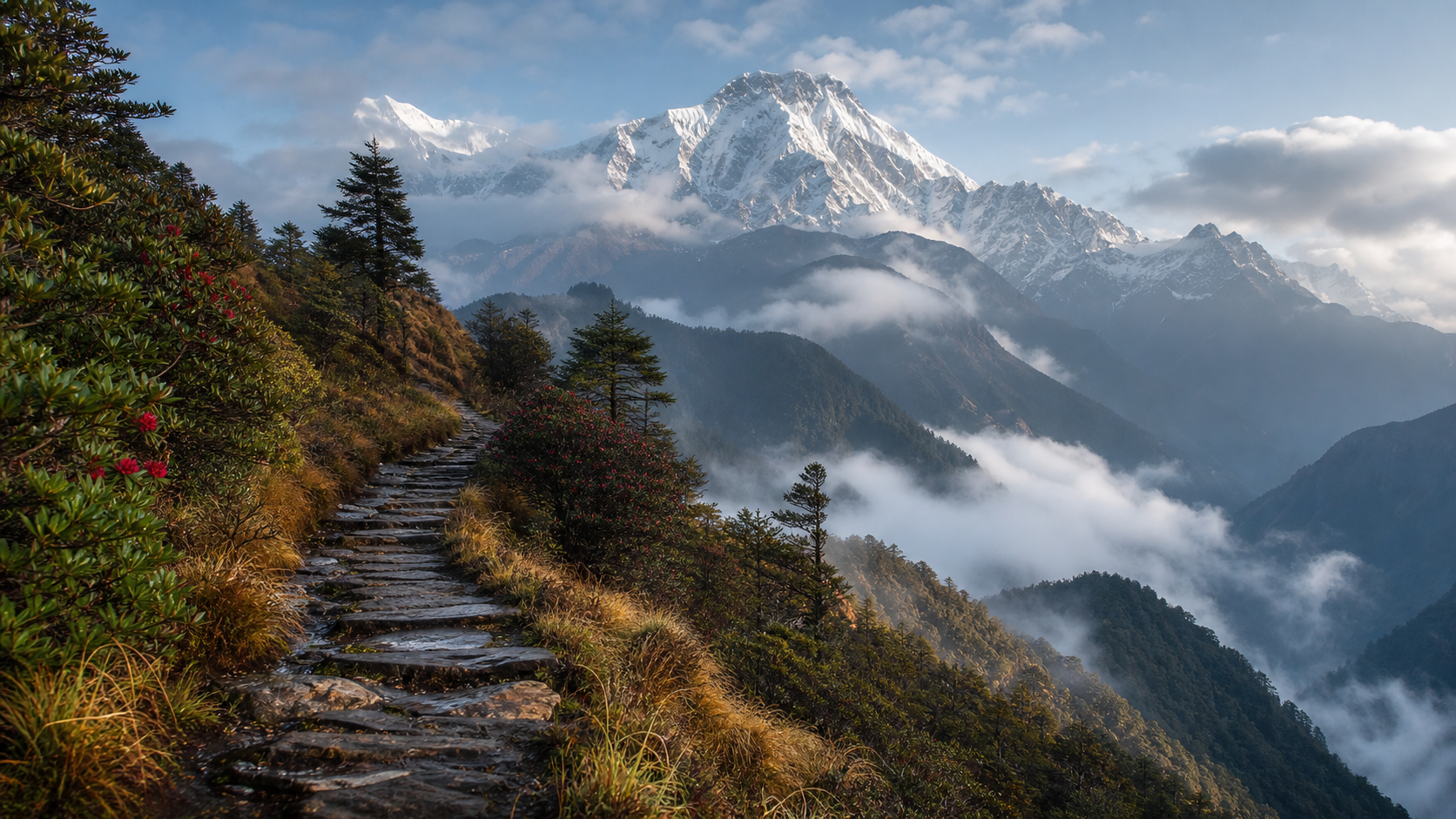
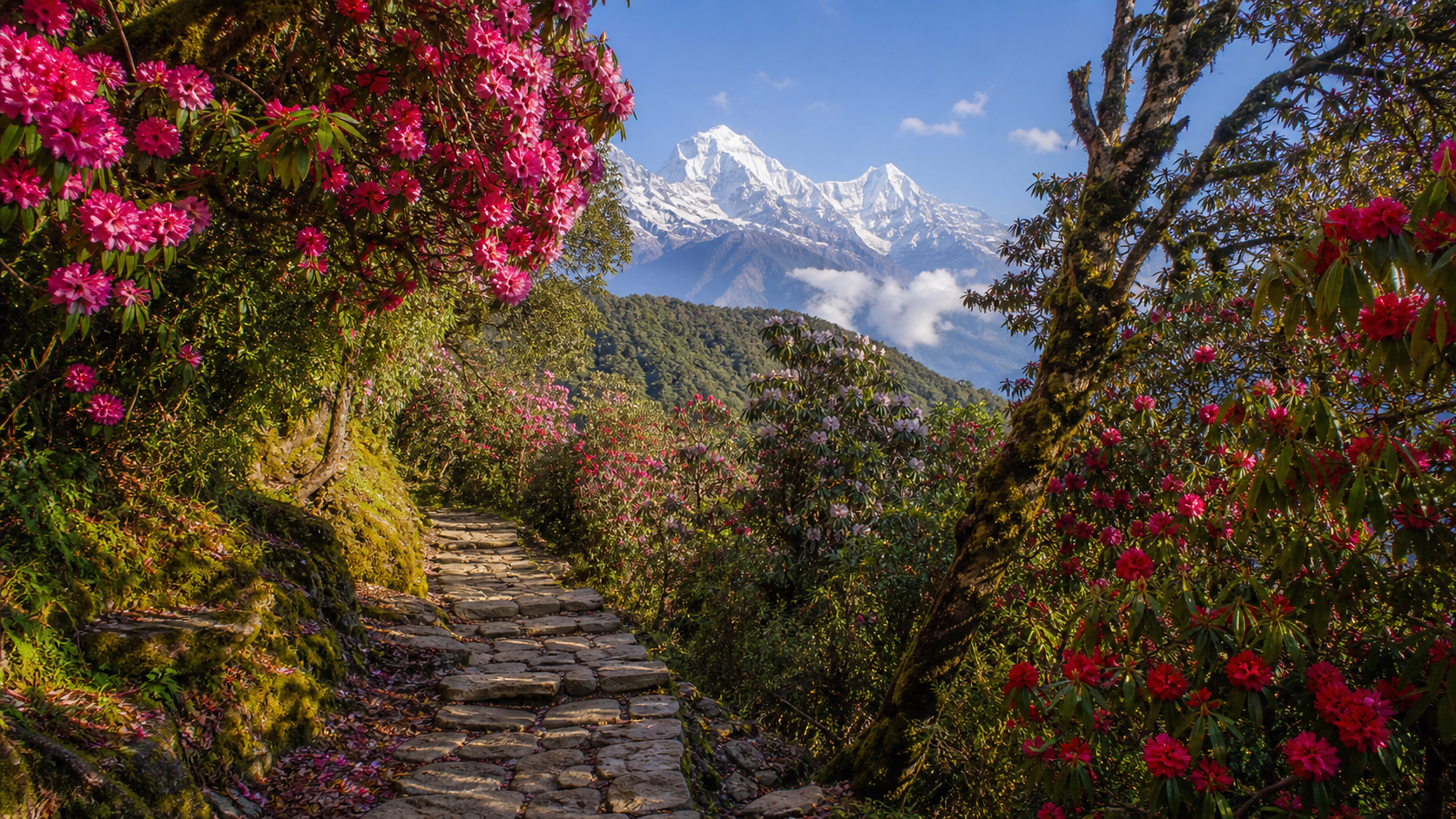
Walk through rhododendron forest, stone villages, and terraced hillsides.

03

Enjoy a shorter trek that still feels rich, scenic, and very local.

Trail Logs & Itinerary

1
Arrival Day

• Welcome upon arrival at Tribhuvan International Airport in Kathmandu.
• Private transfer to hotel; comprehensive trek briefing and gear check.
• Free evening to explore vibrant local markets in Thamel and rest.

2
Scenic Drive

• Scenic highway drive through winding river valleys, terrace fields, and rural townships.
• Panoramic countryside views featuring rolling hills and distant snowcapped peaks.
• Arrive at Pokhara; evening dinner, team briefing, and overnight lodge stay.

3
Scenic Drive

• Trek route: Drive to Nayapul (1.5 hrs) and trek to Ulleri (05 hrs).
• Marvel at panoramic vistas of rice and millet fields, crossing scenic suspension bridges along the trail.
• Arrive at Ulleri; evening dinner, relaxation, and overnight stay at mountain lodge.

4
Trekking Day

• Trek route: Trek to Ghorepani (06 hrs).
• Marvel at panoramic vistas of mountains, lush rhododendron forest along the trail.
• Arrive at Ghorepani; evening dinner, relaxation, and overnight stay at mountain lodge.

5
Trekking Day Elev: 3,210 m

• Trek route: Hike to Poonhill (1.5 hrs) and trek to Ghandruk.
• Wake up early morning, take your torchlight and start hiking up to Poon Hill (3,210 m) before the first ray of sun hits the ground as you don't want to miss the best opportunity to view the first rays of the sun kissing the snow-capped mountain.
• Arrive at Ghandruk; evening dinner, relaxation, and overnight stay at mountain lodge.

6
Scenic Drive

• Trek route: Trek back to Nayapul (5 hrs) and drive to Pokhara (1.5 hrs).
• The final day of this 7 Day Ghorepani Poon Hill Trek from Ghandruk to Nayapul is approximately 13 km.
• Arrive at Pokhara; evening dinner, relaxation, and overnight stay at mountain lodge.

7
Scenic Flight

• Scenic mountain flight offering sweeping Himalayan aerial vistas.
• Arrive at airstrip and assemble with local trekking crew and porters.
• Commence trail walk towards Kathmandu by comfortable tourist bus minutes by; evening rest at mountain lodge.

Inclusions

  • Airport pick-up and drop-off in Kathmandu.
  • Hotel stay in Kathmandu and Pokhara as listed in the itinerary.
  • Private transfers and trip briefing before the trek begins.
  • Experienced local trekking guide and porter support.
  • Best available lodge accommodation during the trek.
  • Meals during the trekking days as mentioned in the trip plan.
  • Annapurna Conservation Area permit and TIMS support.
  • Staff wages, meals, insurance, and local transport costs.
  • Basic first aid support during the trek.
  • Clear packing advice and route information before the trip.
  • Flexible walking pace with time to enjoy villages and viewpoints.
  • Support from our team if weather or travel plans need a small adjustment.

Exclusions

  • International flights to and from Nepal.
  • Nepal visa fees and personal expenses in Kathmandu or Pokhara.
  • Lunch and dinner in the cities unless clearly mentioned.
  • Travel insurance that covers trekking and emergency rescue.
  • Personal trekking gear, drinks, hot showers, charging, and snacks on the trail.
  • Tips for guides and porters.

Frequently Asked Questions

You need the Annapurna Conservation Area Project (ACAP) Permit and the Trekkers' Information Management System (TIMS) Card. Our team secures these for you in Kathmandu before the trek, and they are covered by your booking fee.
The gateway is Pokhara. You can either take a scenic 25-minute domestic flight or a 6-to-8 hour tourist bus ride from Kathmandu to Pokhara. From Pokhara, we take private jeeps to the specific trailheads.
The highest point is the Thorong La Pass, situated at an elevation of 5,416 meters (17,769 ft). It is a challenging day of walking but offers unforgettable panoramic views of the Annapurna and Dhaulagiri ranges.
ATMs are available in Pokhara, Besisahar, and Jomsom. However, on the mountain trail itself, there are no banking facilities. You must carry sufficient cash in Nepalese Rupees to cover daily personal expenses.
Annapurna teahouses are cozy, family-run mountain lodges. Most have twin-share rooms with wooden beds, foam mattresses, and blankets. Many lower-altitude teahouses now offer attached bathrooms, hot showers, and Wi-Fi.
Altitude sickness can affect anyone above 2,500 meters. Our itineraries feature safe ascent rates and dedicated rest days. Our guides monitor oxygen saturation levels daily to ensure everyone acclimatizes correctly.
To limit single-use plastic waste, we discourage buying plastic water bottles. Instead, fill your reusable bottles with boiled water from teahouses or tap water treated with purification tablets or UV purifiers.