Sacred Bhairav Kunda Lake
Langtang & Central Region

Bhairav Kunda Trek

Difficulty Moderate
Duration 12 Days
Max. Altitude 4,250m
Best Season Spring, Autumn
Lodging & Meals Camping / Homestay

Bhairav Kunda

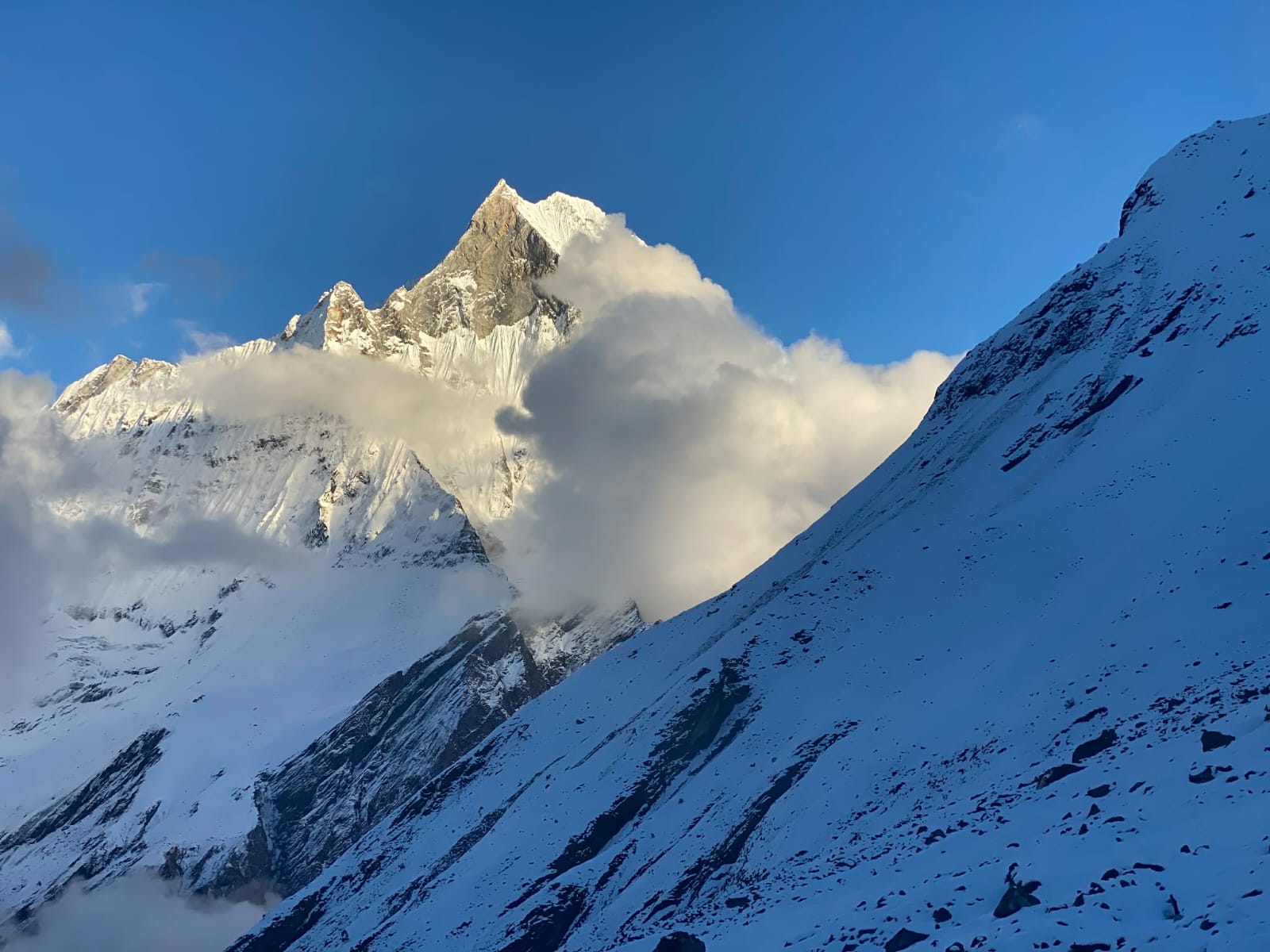
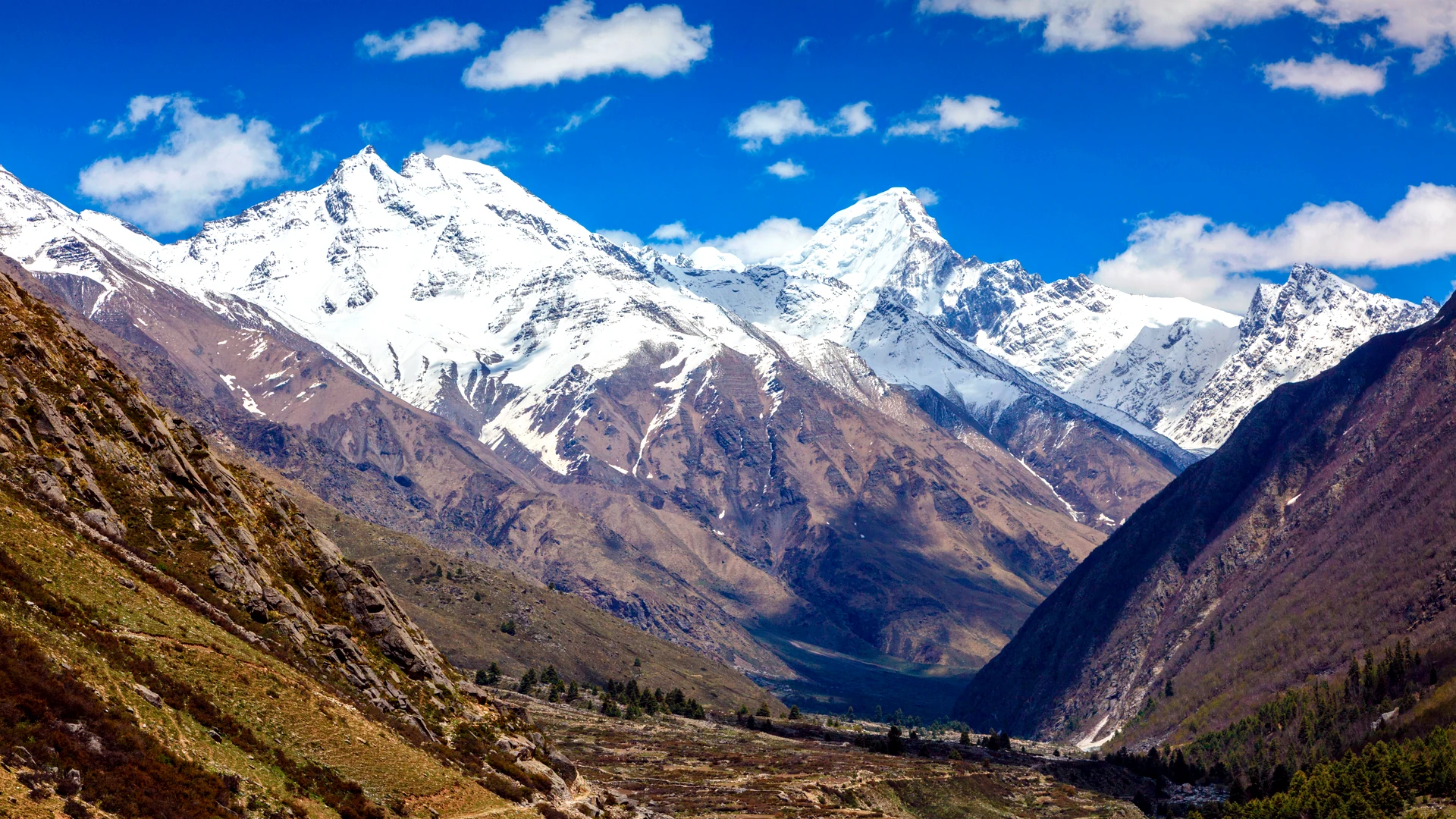
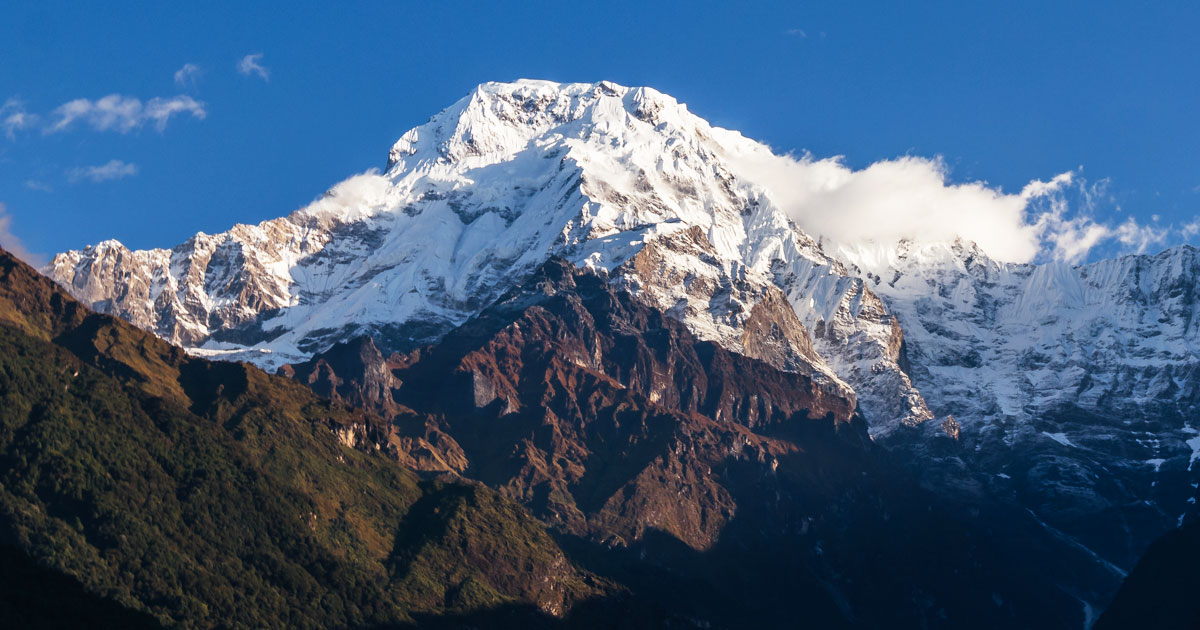
The Bhairav Kunda Trek is a captivating, less-frequented route located to the northeast of Kathmandu, near the Tibetan border in the Sindhupalchowk district. Named after the destructive aspect of Lord Shiva (Bhairav), the pristine, high-altitude lake of Bhairav Kunda (4,250m) is a major pilgrimage site where shamans (Jhankris) and devotees gather, especially during the full moon of August. The trek begins from Jalbire and ascends through dense forests, terraced fields, and traditional villages inhabited by diverse ethnic groups including Newars, Gurungs, and Tamangs. As you climb higher, the trail offers spectacular, sweeping views of the Jugal Himal range, Dorje Lakpa, and Madi Himal. This trek is an excellent combination of deep spiritual significance, authentic local culture, and superb Himalayan vistas on a trail largely untouched by modern tourism.

Bhairav Kunda Trek
Bhairav Kunda Trek
Signature Experiences

Expedition Highlights

01

Visit the sacred Bhairav Kunda Lake (4,250m), a significant Hindu and Buddhist pilgrimage site.

02

Enjoy spectacular views of the Jugal Himal range, Dorje Lakpa, and Tibetan peaks.

03

Trek through pristine, off-the-beaten-path trails near the Tibetan border.

04

Experience homestays and authentic cultural interactions in traditional villages.

05

Witness the unique shamanic traditions of the region (especially in August).

06

Hike through diverse landscapes from subtropical terraces to alpine highlands.

Trail Logs & Itinerary

1
Scenic Drive

• Scenic drive through winding river valleys, terrace fields, and rural townships.
• Countryside vistas featuring rolling hills and distant snowcapped peaks.
• Arrive at Jalbire; evening dinner, team briefing, and overnight lodge stay.

2
Trekking Day

• Trail route: Trek from Jalbire to Chanaute.
• Trek through beautiful landscapes and small settlements, largely inhabited by the Brahmin and Chhetri communities.
• Arrive at Chanaute; evening dinner and restful overnight stay.

3
Trekking Day

• Trail route: Trek from Chanaute to Khani Gaon.
• The trail ascends steeper today, leading to the Newari village of Khani Gaon.
• Arrive at Khani Gaon; evening dinner and restful overnight stay.

4
Trekking Day

• Trail route: Trek from Khani Gaon to Forest Camp.
• A steep climb through dense forests of oak and rhododendron to reach the high pasture of Forest Camp.
• Today is the ultimate challenge.

5
Trekking Day

• Trail route: Trek from Forest Camp to Pati.
• Continue ascending through the forest, emerging into alpine meadows with impressive mountain views.
• Arrive at Pati; evening dinner and restful overnight stay.

6
Trekking Day

• Trail route: Trek from Pati to Bhairav Kunda.
• A short but rewarding trek to the sacred lake of Bhairav Kunda, surrounded by rugged peaks.
• Arrive at Bhairav Kunda; evening dinner and restful overnight stay.

7
Trekking Day

• Trail route: Explore Bhairav Kunda and Trek to Sherpa Gaon.
• Watch the sunrise over the lake, explore the area, and then begin a long descent to Sherpa Gaon.
• Arrive at Sherpa Gaon; evening dinner and restful overnight stay.

8
Trekking Day

• Trail route: Trek from Sherpa Gaon to Larcha.
• Descend to the Bhote Koshi River.
• Larcha has a natural hot spring nearby where you can relax.

9
Scenic Drive

• Scenic drive through winding river valleys, terrace fields, and rural townships.
• Countryside vistas featuring rolling hills and distant snowcapped peaks.
• Arrive at Kathmandu; evening dinner, team briefing, and overnight lodge stay.

Inclusions

  • Airport pick-up and drop-off in a private vehicle.
  • Standard teahouse/lodge accommodation during the trek.
  • All meals (Breakfast, Lunch, Dinner) during the trek.
  • An experienced, English-speaking, and government-licensed trekking guide.
  • Porter service (1 porter for every 2 trekkers).
  • All necessary paperwork and trekking permits (TIMS, National Park Fees).
  • A comprehensive medical kit carried by the guide.
  • Farewell dinner in Kathmandu to celebrate the successful trek.

Exclusions

  • International flight airfare.
  • Nepal entry visa fee (obtainable on arrival at Kathmandu airport).
  • Travel and rescue insurance (mandatory).
  • Personal expenses (phone calls, laundry, bar bills, battery recharge, extra porters).
  • Tips for guide and porters (customary but not mandatory).

Frequently Asked Questions

Yes. Unlike popular regions like Everest or Annapurna, remote regions (like Manaslu, Dolpo, or Kanchenjunga) have simpler teahouses or require camping. Facilities are basic, featuring shared squat toilets and limited hot water.
Many remote borders require Restricted Area Permits (RAPs) and must be hiked with a registered guide and a minimum of two trekkers. Our agency handles all permit processing for you.
Charging is mostly solar-powered and available at lower teahouses for a fee. Wi-Fi is rare or non-existent in remote villages. We recommend bringing a high-capacity power bank and a local SIM card.
The trails are less developed, more rugged, and see very few tourists. You should expect steep ascents, high mountain passes (like Larkya La at 5,106m), and long walking days over challenging terrain.
Since there are absolutely no ATMs in remote regions, you must withdraw sufficient cash in Nepalese Rupees in Kathmandu. We recommend budgeting at least 2,500 Rupees ($20 USD) per day for personal expenses.
You should pack high-quality gear: a warm sleeping bag (rated to -15°C), broken-in trekking boots, thermal layers, water purification tools, basic toiletries, and a small personal first-aid kit with altitude medication.